My experience of perimenopause and MS
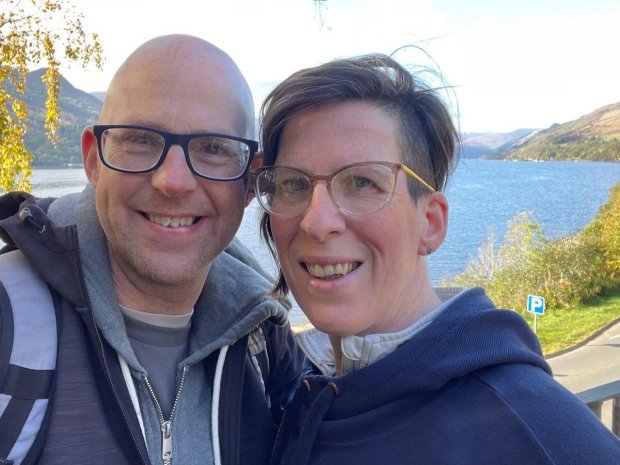
Hi, my name is Victoria. I’m 45 years old, and I was diagnosed with relapsing remitting MS in 2011. I’m a doctor and somebody who’s been living with MS for over 15 years.
So you’d think I’d be well placed to understand the differences between my MS symptoms and symptoms of the perimenopause. I was surprised to find out that this was not the case.
After I turned 40, things became a bit more difficult
Not only from a physical point of view but also cognitively. Symptoms like brain fog, difficulty finding words, inability to concentrate for any period of time and feelings of being overwhelmed. My sleep was terrible, worse than usual. Physically, my fatigue worsened significantly. I was experiencing more pain than usual. And I noticed I was tripping over and falling more frequently.
I was aware of menopause symptoms, but being in my early 40s I thought I was too young for that to start.
But hormone changes can start up to 10 years sooner, with the perimenopause.
What was MS and what was the perimenopause?
The hard part for me was trying to work out whether my MS was worsening or if what I was experiencing was due to changing hormone levels. I’d looked online and completed many of the checklists for symptoms of perimenopause. But I ticked so many of those boxes due to the MS anyway it was impossible for me to understand what was going on.
Checking my symptoms with my GP
I booked an appointment with my GP to discuss how I was feeling. I always find it beneficial to take my husband along to any medical appointments. Not only is he good at advocating for me, he’s also able to remember the conversations that have taken place!
I went back and forth for a few visits, and discussed the risks and benefits of Hormone Replacement Therapy (HRT). I also got advice from the local menopause clinic. I then decided to try HRT for six months. I have been on it ever since.
The impact of HRT for me
So what’s changed? Firstly my sleep. It’s fair to say the improvement in my sleep has been the most noticeable. Because I’m sleeping better my ability to manage day to day life has improved. Yes, I’m still fatigued but it’s back to a more manageable level.
And that’s what I’d say about all my symptoms really, they’re back to a more manageable level.
Getting support made a big difference
So if you’re similar to me and not sure if the symptoms you’re experiencing are due to worsening of your MS or hormone changes discuss it with your GP, MS nurse or neurologist. Many practises now have GPs with specialist interest in women’s health. And they might refer you to a local perimenopause and menopause clinic for advice. This was helpful in my case and guided us through the start of HRT.


