Menopause and MS: we ask the expert
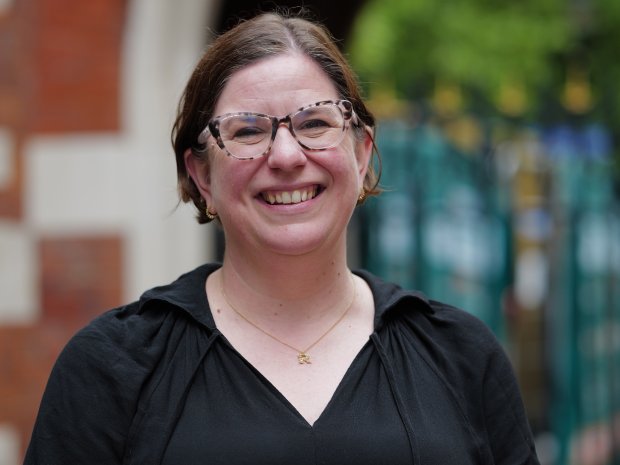
Most women with MS will experience menopause. We sat down with researcher Professor Ruth Dobson, consultant neurologist and professor of clinical neurology at Queen Mary University London, to discuss what we know about how menopause can impact MS.
What made you want to research menopause in MS?
In the clinic, I’ve seen many people face the challenges of their MS symptoms worsening during menopause. As we can keep people healthier for longer with DMTs, we notice more of the non-MS things that cause challenges in their health. From a research perspective, I’m interested in women’s health throughout the whole course of their lives. And menopause is a huge part of that.
What do we know about how menopause affects the symptoms and progression of MS?
We know some things, but there’s still lots to learn. Some studies suggest that MS can worsen during or after menopause, but others haven’t found a link. These studies are based on healthcare records, so they focus on things like walking ability. They don’t capture the full experience of people living with MS.
Because menopause is closely tied to age for most people, it’s difficult to separate menopause effects from the natural process of ageing. The challenge is that many common menopause symptoms, like bladder problems, sexual dysfunction, hot flashes, fatigue and cognitive fog are also common in MS.
We also know that some menopause symptoms could worsen MS symptoms. For example, hot flashes can make MS symptoms worse while they raise the body’s temperature, just like hot weather can cause a temporary worsening of symptoms.
This uncertainty over whether symptoms are due to MS or menopause can be frustrating for people with MS and their clinicians too. For some, it can bring back the feelings they had when they were first diagnosed, when symptoms felt unpredictable and confusing.
What do we know about the science behind this link?
We don’t know enough yet. Most of our understanding of MS comes from animal studies. But there are very few species that go through natural menopause and then live for a long time afterwards. Menopause has also historically been ignored in research due to cultural and social factors. But this is changing.
We’ve learnt a little from studying pregnancy. During pregnancy, oestrogen levels are particularly high, and there can be a relative remission in MS. We know that oestrogen can affect the immune system, but we need more well-designed human studies looking specifically at menopause. We also need to know if the changes during menopause are temporary or if they cause lasting changes in disability.
Can you tell us a bit about the PhD project you are supervising looking at the lived experiences of people with MS going through menopause?
For her PhD project, Imogen Collier is doing in-depth interviews to understand the lived experiences of people navigating both MS and the menopause. She’s looking particularly at some of the uncertainties and challenges that people have, with the aim of using the information to adapt and improve clinical services. She is trying to capture the full spectrum of experience, including those who have gone through menopause early and those who were diagnosed with MS while they were perimenopausal.
Imogen has also collaborated with the UK MS Register on a questionnaire and is analysing the results now. Her initial findings show some interesting trends: about half of those who are currently perimenopausal reported a difference in their MS symptoms, compared to only about a quarter of those who are postmenopausal. This suggests that when you’re in the midst of it maybe it’s harder to work out what’s MS and what’s menopause. She also found that about half of the people she spoke to had taken, or were taking, HRT. And like the rest of the population, they were also trying a range of other treatments. Imogen is also using the data in the Register to look at how the MS severity scores track across menopause.
Should all women with MS be offered hormone-replacement therapy (HRT) during menopause?
HRT isn’t necessarily right for everybody. But I think all women with MS should have the chance to discuss it and decide based on their personal situation. It’s about taking a holistic, personalised approach to care, rather than just thinking about all the symptoms from an MS perspective. For example, for some people with bladder symptoms or sexual dysfunction, topical oestrogen can be life changing.
What advice would you give to someone with MS approaching or going through menopause?
- Talk to people about it. Talk to your MS nurse, your GP, your neurologist.
- Try not to over-worry. Not everyone has a terrible experience of menopause. Some people breeze through with no problems at all.
- Focus on treating your symptoms. If your symptoms do worsen, focus on treating the symptom rather than going around in circles trying to figure out the exact cause.
Finally, remember there are many treatment options beyond HRT. Non-hormonal approaches like supplements, exercise, mindfulness, and cognitive behavioural therapy can have a huge impact on quality of life. It’s also important to view it as a period of change and flux. Symptom changes aren’t necessarily permanent. Everyone’s experience with MS and menopause is different. Focus on the support and treatment that’s right for you.
You might also be interested in