The doctor who listened
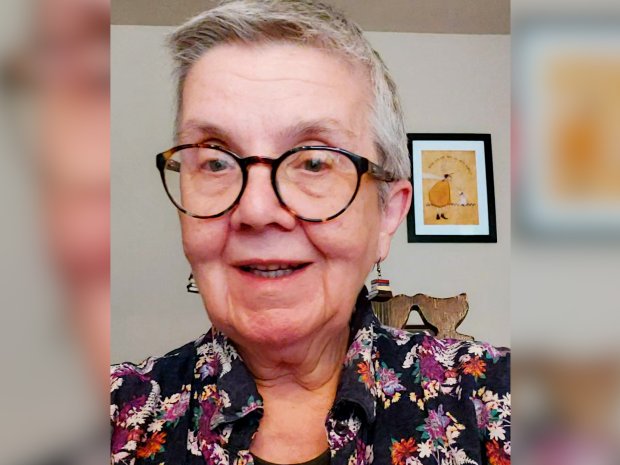
Some conversations stay with you. For Annie, one stands out, not because of what the doctor said but how he said it. In 2006, after years of uncertainty, he told her she likely had primary progressive MS. This is Annie’s story of that moment, and the quiet kindness and honesty that made all the difference.
A long road to answers
Before my diagnosis, I’d been living with strange, shifting symptoms since my late teens. Migraines, fatigue that got in my way, and slow recovery from infections. Life was busy, and I got used to pushing through. When I did see my GP, my concerns were often brushed aside.
In the late 1980s, I started struggling with fine movements in my left hand. It went numb, in a painful way. First, doctors thought it was carpal tunnel, then a neck injury. Then, after I developed severe vertigo, Meniere’s disease.
I had surgery that didn’t help, nerve tests that just confirmed I didn’t have carpal tunnel syndrome, and a long chain of referrals.
My symptoms piled up. Bladder issues were put down to childbirth. Vertigo left me floored for days at a time. My balance was unreliable. Eventually, reluctantly, I took ill-health retirement in my forties.
Over the years, I was given various diagnoses. Some seemed to make sense, others less so. It wasn’t until I saw a new doctor in 2006 that things began to fall into place. By then, it’d been nearly 20 years of not knowing.
A conversation I’ll never forget
It wasn’t the doctor I usually saw. It was someone new – a fresh face. He’d clearly done his homework and read through my notes carefully. He asked me lots of questions and really took his time.
“I don’t think you’ve got any of the things you’ve previously been told,” he said. He had a theory and wanted to do an MRI scan and run a few tests. It all happened quickly. Within three weeks, I was back in that waiting room.
That day is so clear in my mind. I was sitting watching other people get called in by the nurse. But when it was my turn, it wasn’t the nurse.
It was the doctor who came out to see me. He walked over to me and asked if I was on my own or if I wanted to call anyone. I said no. Then he asked, “Would you like a cup of tea?"
I knew by that point it wasn’t going to be good news.
Sitting with the news
This doctor didn’t rush. He eased into the talk. I interrupted and said, “You’re building up to telling me you think I’ve got MS, aren’t you?” I’d done some homework of my own.
He nodded – he wasn’t a neurologist, so he couldn’t officially diagnose me, but everything pointed to MS. My scan, my history, my symptoms.
We sat together for a while. He showed me the scan and explained what the little white blobs on my brain and spinal cord meant.
He didn’t throw jargon at me. He answered my questions, and he let things land. Twenty years of not knowing, he made space for that and showed a lot of empathy.
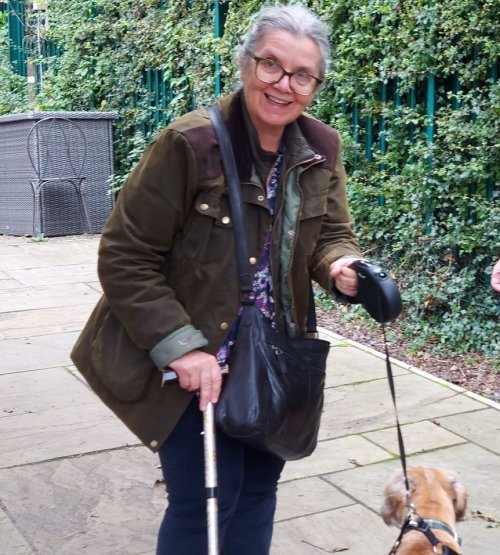
If you have to be given a life-changing diagnosis, it makes all the difference when it’s done with kindness.
Relief, and everything after
Walking back to my car, what I felt most was relief. Finally, I knew what was causing all my symptoms.
Over the past 40 years, I’ve spoken with various healthcare professionals for myself and for my family. And, during more than two decades as a social worker I worked closely with doctors, psychiatrists and other experts in mental health, emergency care and hospitals. As well as with social care services.
I’ve felt every emotion possible during these interactions: curiosity, stress, frustration, intrigue and interest, anger, and sometimes relief. I’ve had to advocate for myself and others more times than I can count.
Not all my interactions with healthcare professionals have been positive. But that conversation in 2006 is a little shining star.
The power of being heard
It’s not just that the doctor got me closer to diagnosis. It’s how he did it – with empathy, emotional intelligence, and patience. The main thing was, I felt he listened. He was interested.
He gave a damn, really. He cared about how I was, and that I would leave his office with answers to my questions at the time.
That conversation had a lot of humour too, which helped me.
I never saw that doctor again. But I remember him with genuine appreciation, and it makes me smile.
MS Awareness Week
Talking about MS can be difficult, we can help you get started. Visit our MS Awareness Week hub, where we're sharing stories and resources to help you start those all-important conversations.


