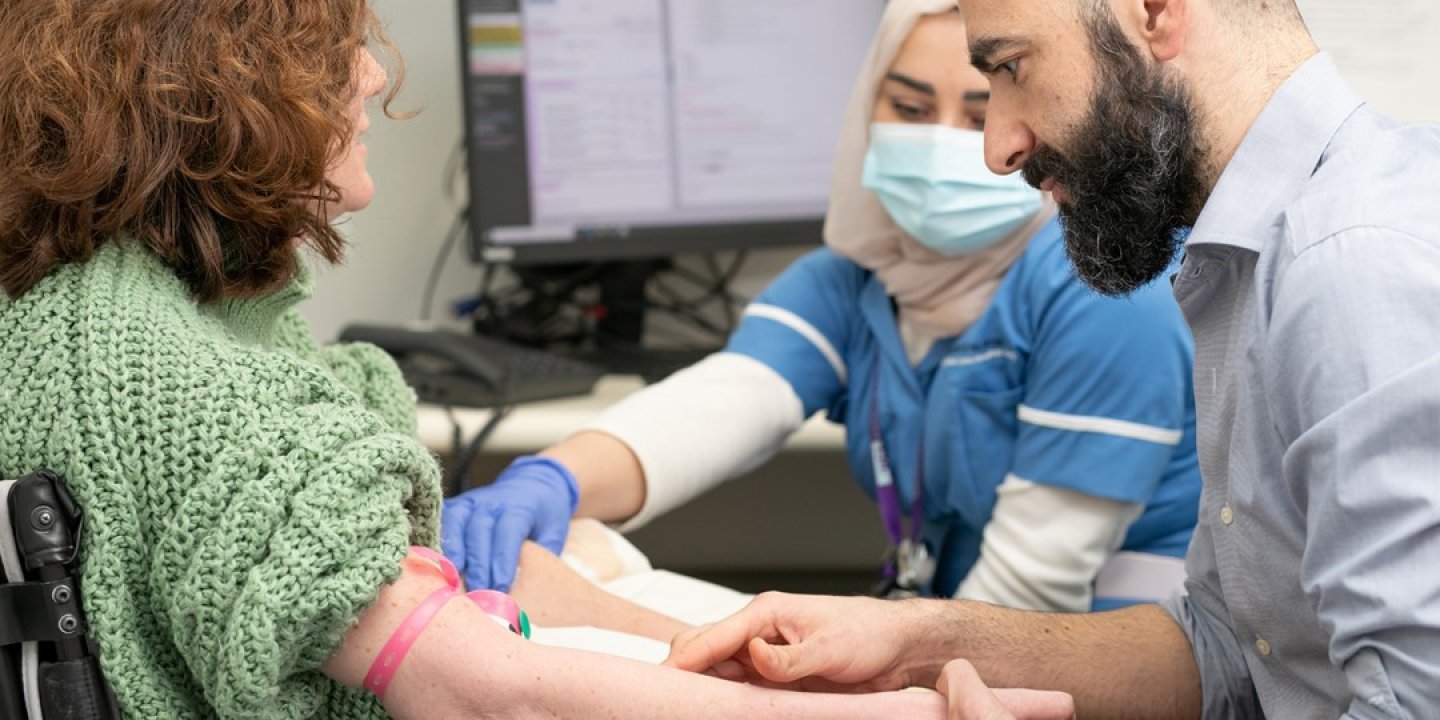
Alpha-lipoic acid moves to next stage of Octopus trial
We’re excited to announce the interim results of our Octopus trial. Alpha-lipoic acid showed early promise as a treatment for progressive MS, but metformin did not.
Octopus is our clinical trial for primary and secondary progressive MS. Its multi-arm, multi-stage design means that partway through the trial, the team can get a sneak preview of whether each drug looks promising. This is called the interim analysis.
What are the interim Octopus results?
The interim analysis looked at MRI and clinical data from the trial. The interim findings mean that:
Alpha-lipoic acid progresses to the next stage of the trial
Alpha-lipoic acid shows early promise as a treatment to protect nerves in MS. It’ll now continue to the next stage of the trial. These are promising early results for alpha-lipoic acid.
But the interim analysis is a checkpoint, not a finish line. The team will now invite hundreds more people with progressive MS to join the trial, to help us firmly answer the question of whether it's safe and effective at slowing disability progression.
Metformin comes out of the trial
Metformin showed no evidence of promise at the interim analysis. It won’t continue to the next stage of Octopus. People who were assigned to the metformin arm will leave the trial. They may be able to re-join the trial after 6 months.
Octopus is being led by leading neurologist Professor Jeremy Chataway, whose vision to rethink trials for progressive MS was born over a decade ago. He recorded a message to explain the results of the trial.
We’ll only know for certain whether alpha-lipoic acid is safe and effective for people with progressive MS when we see the final results.
Taking drugs that haven’t been approved for MS outside of a clinical trial can put you at risk. Participants in clinical trials are screened before they enter the trial to confirm it's appropriate for them to take the trial treatment.
Self-medicating means you risk potentially serious side effects without support and supervision from your clinician. And you could cause harm without knowing whether you’ll actually benefit from taking these drugs.
Why are these results important?
These exciting results mean we are a step closer to potentially finding desperately needed treatments to slow progression in MS. But they also mean metformin won’t be taken forward in this trial, which will be disappointing news for many. Especially participants on the trial taking this drug.
If you'd like to talk to someone in confidence about these trial results our MS Help support service is here for you.
These results show the trial is operating exactly how it's designed to. By dropping a drug that doesn’t show promise, people spend less time taking treatments that don’t work and precious time and money aren’t wasted.
And we’ll find out whether alpha-lipoic acid is safe and effective for MS years sooner than we would have using a traditional trial.
This (interim result) is very exciting and proves not only that the Octopus trial design works, but that a new way of protecting nerves could be on the horizon.

Of course, learning that metformin will be discontinued is disappointing. But finding treatments for progressive MS is extremely difficult, and we’re so pleased to be taking alpha-lipoic acid into the second stage of the trial.
Professor Jeremy Chataway, Trial Lead
What does this mean for people who are taking part in Octopus?
If you're currently taking part in Octopus and your treatment arm continues, it's important that you remain in the trial. Every piece of data is valuable. Your continued involvement is essential to delivering the final results, which could allow new treatments to be made available outside the trial in the future.
Over the coming weeks, everyone currently taking part in Octopus will be contacted to instruct them on the next steps. Everyone should continue taking their trial drugs and attending their visits until they’re contacted.
Alpha-lipoic acid and the placebo (dummy drug) will continue into the next stage of the Octopus trial. Metformin won't continue in the trial. All participants will be contacted by their study doctor or nurse and instructed about their next steps.
Living with MS has got more difficult since I joined Octopus in 2023 and it's really challenging, but I don't want to focus on that. This trial is bigger than just me. Being on it has been such a positive experience because you're thinking about MS in positive terms.
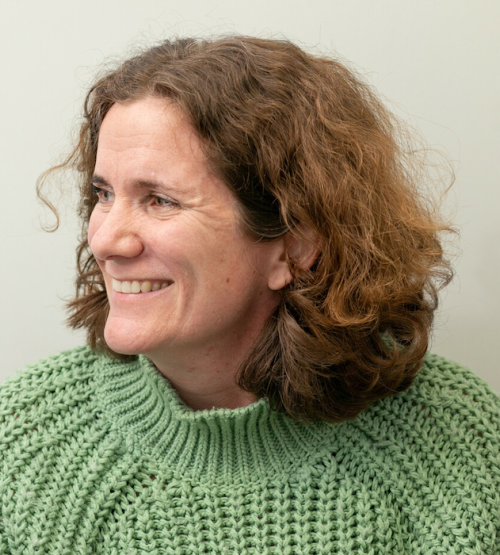
Often I have to talk to medical professionals about getting help to deal with the challenges of MS but this is different – it's about working with researchers to find something that can really help thousands of people living with progressive MS.
Ailsa Guidi, Octopus participant
What do these results mean for other metformin trials?
The Octopus trial didn’t find evidence that metformin can slow disability progression in people with progressive MS.
Results from our CCMR2 study suggest that a combination of metformin and antihistamine clemastine could boost myelin repair in MS. This was a small trial that tested the drugs in people with relapsing MS and looked at a different biological mechanism to Octopus. The Octopus results don’t mean that metformin won’t be effective in this patient group.
What’s next?
The Octopus trial will continue as planned, with more people joining the alpha-lipoic acid arm and the placebo arm. The trial team is also working on introducing more trial arms for new promising drugs in 2027.
Keep an eye on our website and social media channels to hear more about the new treatment arms when they’re announced.
You can register your interest in taking part in Octopus through the UK MS Register
Want to find out more?
Join us on 23rd September for our webinar about the Octopus interim results. We'll be joined by Professor Jeremy Chataway (Octopus Chief Investigator) and Dr Emma Tallantyre (Octopus Recruitment Lead). They'll share the interim results of the trial, what these mean for people with MS and what's next for Octopus.
Sign up on our EventBrite page
Thank you
None of this would have been possible without the support and dedication of everyone involved. We're incredibly grateful to everyone who has taken part in the trial so far, and to those who have helped shape and deliver it.
Octopus was also made possible by your generous donations. From everyone who donated to the Stop MS Appeal, led by our incredible Stop MS Appeal Board, to the Albert Gubay Charitable Foundation and the Garfield Weston Foundation, who supported Octopus through generous leadership grants. We are incredibly grateful for your support.
You may also be interested in