Trial results suggest drug combo could boost myelin repair in relapsing MS
Early results from the CCMR2 trial were announced today. They suggest a combination of two existing drugs may be able to boost myelin repair in relapsing MS.
Myelin is the protective sheath around our nerves that gets damaged in MS. Our bodies have an amazing natural ability to repair myelin. But this stops working properly in MS.
To slow or stop progression for everyone with MS, we need treatments that can boost myelin repair. Today's results mark a significant step forward towards this goal.
I'm increasingly sure that remyelination is part of the solution to stopping progressive disability in MS. We still need to research the long-term benefits and side effects before people with MS consider taking these drugs. But my instinct is that we're on the brink of a new class of treatments to stop MS progression, and within the next decade we could see the first licensed treatment that repairs myelin and improves the lives of people living with MS.
These are only the top-line results shared at the ECTRIMS conference. We’ll need to wait for the full paper to be published before we know all the details.
What was the CCMR2 myelin repair trial?
CCMR2 was a phase 2 trial run by researchers at our Cambridge Centre for Myelin Repair. These trials are designed to give us an idea of what might be happening in the brain, before bigger and longer studies take place.
70 people with relapsing MS took part over six months. One group took a combination of two existing drugs: metformin and clemastine. The other took placebo tablets. Everyone continued to take their normal disease modifying therapy.
What were the results?
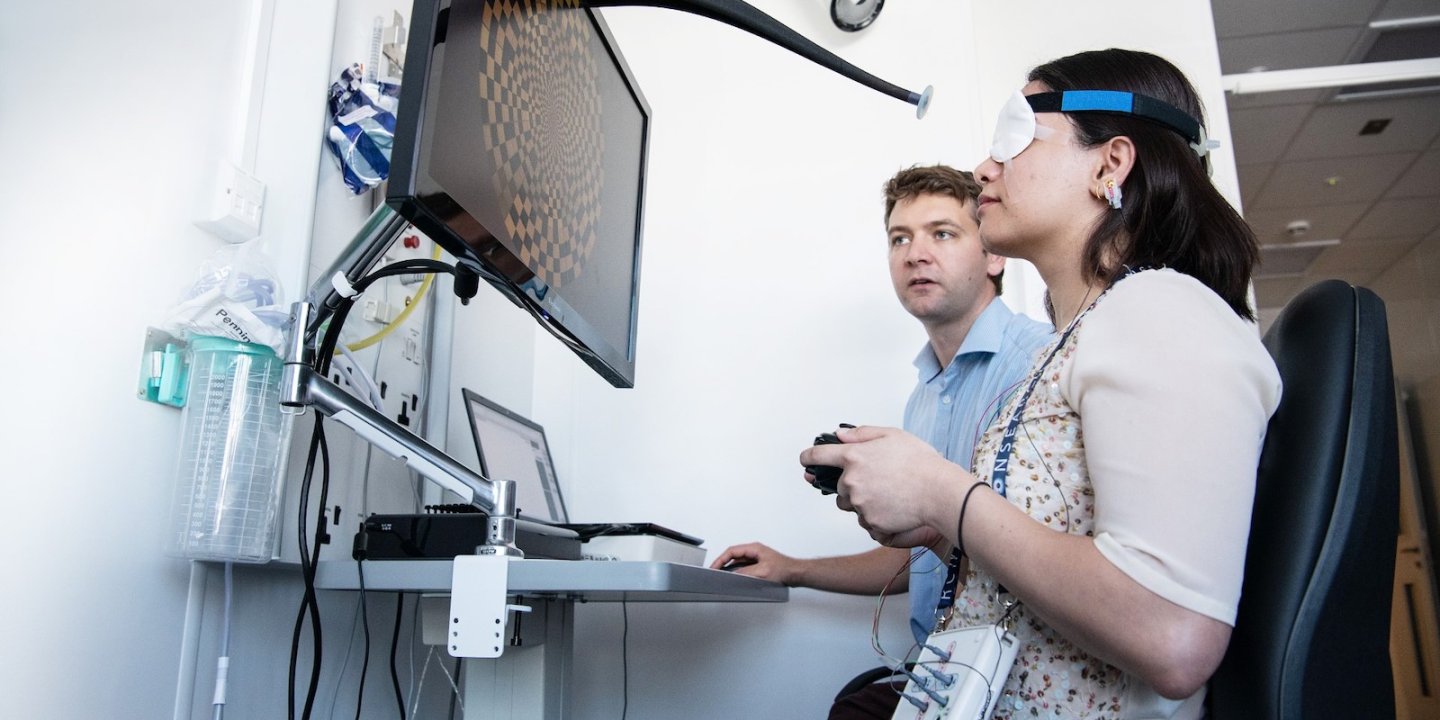
The main test the researchers used to look at the effect of the drugs was called a visual evoked potential. This measures how quickly messages travel between the eyes and the brain.
In the group taking the drugs, the signals stayed the same speed over the six months. In the placebo group, the signals slowed down. The difference between the groups was small, but significant.
People taking part also did tests to measure their disability and vision. These didn’t show a difference between the groups. But that's not surprising. We wouldn’t expect to see changes in symptoms in only six months.
The team also looked for evidence of myelin repair on MRI scans, but we don’t have these results yet.
Was the drug combination safe?
The main side effects were diarrhoea and tiredness. More people in the drug group experienced these than in the placebo group.
What do these results mean for people with MS?
The results suggest the drugs could be boosting myelin repair in the brain in relapsing MS. It’s the third trial of potential myelin repair treatments to show this, including the CCMR1 trial which paved the way for this trial. Together, these results give us real hope that myelin repair could be part of how MS is treated in the future.
Our ability to run efficient, effective clinical trials is improving all the time, speeding up how quickly we can get the answers we need. Using state-of-the-art techniques made it possible for the CCMR2 team to capture even a small effect of these drugs. And have the results within three years of the trial’s launch.
This trial focussed on people with relapsing MS because they’re likely to have a greater number of healthy nerves than people with progressive MS. This gave the team the best chance of finding an effect of the drugs in a relatively short space of time. One of the drugs, metformin, is also being tested in progressive MS, in our Octopus trial.
What are the next steps?
This was only a small trial, so we don’t yet know for sure the effect of these drugs in MS. We’ll need bigger studies to tell us whether they’re effective at slowing disability progression. And to better understand the side effects.
The researchers plan to keep following the people in the trial to better understand what’s happening. They’ll carry out more tests over the next few years to see if any longer-term changes appear.
Without large trials showing a drug is safe and effective, treatments can’t be licensed and made available on the NHS. And a carefully controlled clinical trial is the safest way for people to take unproven drugs. The drugs themselves are designed to be exactly the right formula and dose. And your health is closely monitored by a team of neurologists and MS nurses.
Made possible by you
This research only happened thanks to our amazing supporters and the Stop MS Appeal. Your donations funded the original study showing metformin could help repair myelin in rats. And now that work has led all the way to this important trial in people.
We’ll keep you updated as soon as we know more.
These results are truly exciting and could represent a turning point in the way MS is treated. We desperately need ways to protect nerves from damage and repair lost myelin, and this research gives us real hope that myelin repair drugs will be part of the armoury of MS treatments in the future. This research is the culmination of decades of research funded by MS Society supporters. We won’t stop until we find treatments for everyone living with MS.
You may be interested in