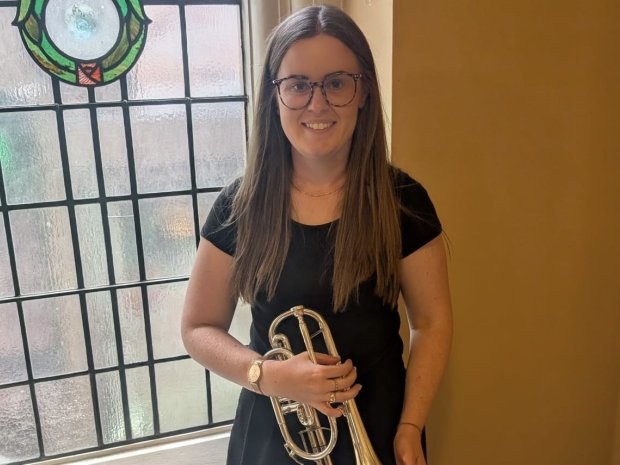
How MS changed the way I read music
Music has always been a part of Emma’s life. From picking up a trumpet as a child, to finding comfort in familiar notes on difficult days, music’s been an escape. Emma, diagnosed with relapsing remitting MS in 2017, shares how MS has changed the way she reads music. And how she’s learned to adapt.
When music was effortless
I first picked up the trumpet when I was seven years old, and from that moment, music became a thread that’s run through my life. For years, music has been my escape - the place I go to when the world feels heavy.
However bad a day was, I knew I could pick up my trumpet, read the notes on the page, and lose myself in the music. I never thought reading music would become a hurdle.
But MS has changed that. Over the last couple of years, I’ve noticed that some days are easier than others.
The impact of hidden MS symptoms
MS often comes with hidden symptoms that can have a big impact on my experience. Things like fatigue, pain, or difficulty with fine motor control might not show on the outside, yet they can make playing much harder.
It’s not just about physical strength - sometimes sitting still for long periods or holding an instrument can become painful, and regular breaks are essential.
I currently play with a brass band. At the moment, every rehearsal upsets me in ways I can’t fully explain. The frustration of not keeping up, the embarrassment I feel when I can’t read the music. The invisible pressure to appear 'normal' while feeling totally useless.
When the notes won’t stay still on the page
Some days, the notes on the page seem to blur together. The lines don’t stay still - they wobble or fade, and I lose my place far too easily.
I’ve recently learnt that I need a bright light shining directly on the page just to keep things clear enough to follow - but even then, my eyes tire quickly.
A section that once would have felt straightforward suddenly feels impossible.
When my brain needs time to catch up
And then there’s the processing. Sometimes I’ll see a note, know exactly what it is, but there’s a pause - like my brain has to buffer before it tells my hands what to do.
Other times I can see the shapes, and I should know what notes they are, but my brain and body struggle to make sense of them.
Sometimes it feels like I’m learning music all over again
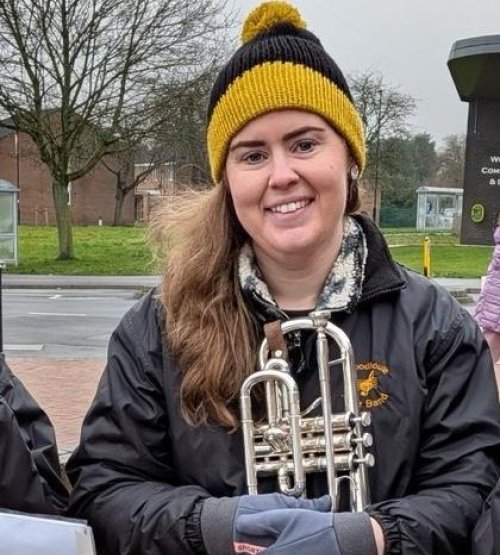
Finding new ways to keep playing with MS
While MS has come with its challenges, it hasn’t taken it all. I still play.
I can still find joy in the notes, even if they come slower. Even if I need to scribble coloured markings all over the page, or if I can’t fly through something new the way I once did.
I've found cornet support to be a game changer. Mine’s made by Ergobrass but there might be other brands out there. It takes the weight off my arms and shoulders, so I can keep playing the music I love with far less pain or fatigue.
I break pieces down into tiny chunks, I play in short bursts, and I remind myself that I’m still playing. Some days, when it’s too much, I just listen - and that’s okay too.
MS has changed how I read music, but it hasn’t silenced it. My ability’s still there, I just have to do it differently now.
My tips to other musicians
To other musicians with MS I’d say if something’s on your mind, or you're struggling, don’t keep it bottled up. Talk to your bandmates. Being open with each other makes the whole experience way better, because a band works best when everyone’s on the same page.
If you’re struggling or need help, chances are they’ll step up however they can, whether that’s giving advice, sharing ideas, or just listening.
Remember, you’re all in this together, so leaning on each other isn’t a weakness - it’s what makes the group stronger.
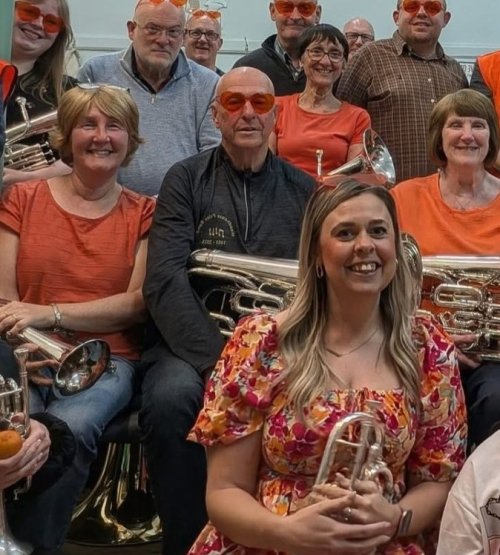
To musicians or ensembles I’d say be aware that people’s symptoms might not be obvious. Creating an environment where people feel comfortable speaking up or asking for adjustments can make a huge difference. A little understanding goes a long way toward helping musicians with MS stay involved and enjoy making music.
I’d like to thank each and every person at Woodhouse Prize Band for adapting, supporting and encouraging me to keep going.
You may also be interested in