‘You don't look sick’: challenging assumptions about multiple sclerosis
Four people living with MS share how they often feel judged, and how understanding can make all the difference.
This MS Awareness Week we’re asking our community to share their experiences of other people’s misconceptions about MS.
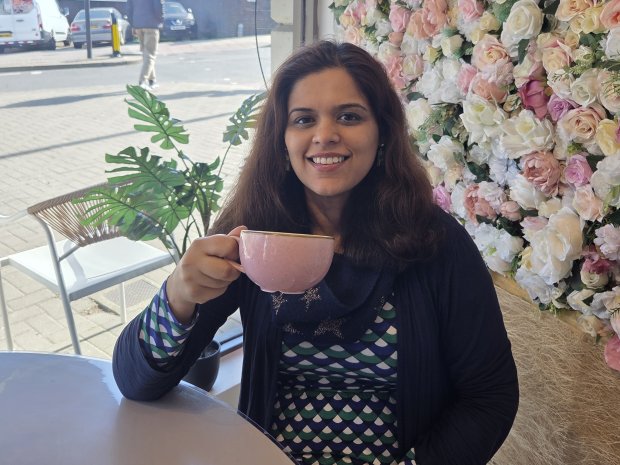
Aliya, who is 42 and was diagnosed with relapsing remitting MS around one year ago, says she’s frequently felt misunderstood.
Fatigue is my biggest symptom and it’s very much invisible. It’s difficult to explain sometimes, especially when I look completely ‘normal’ most of the time.
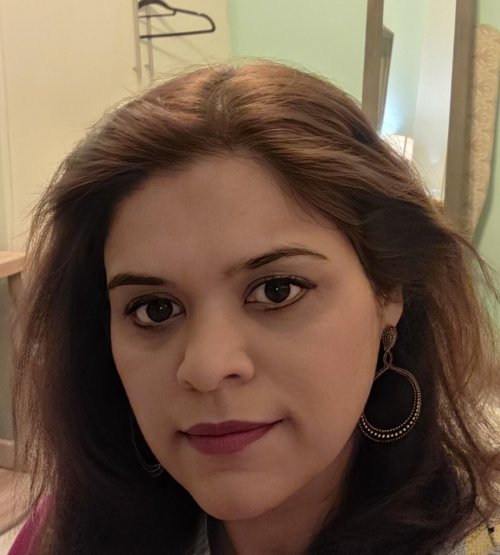
When I say I’ve got fatigue, I get people saying they’re tired too, but it’s not the same. It’s not because I’ve had a late night or I’ve done too much. I’m quite careful with my health and I might have had eight hours sleep, but then in the morning I can’t get up.
Most people with MS feel misunderstood some of the time
A huge number of people living with MS told us they have felt judged (65%) or misunderstood.
Read more about our MS Awareness Week survey
Grahame, 54 and from Lanarkshire, Scotland, spoke about feeling like an imposter for not being more obviously disabled.
If I’m having one of my better days, I’ll try not to use a disabled parking space. But when it’s not a good day, a parking space close to where I’m going can make all the difference.
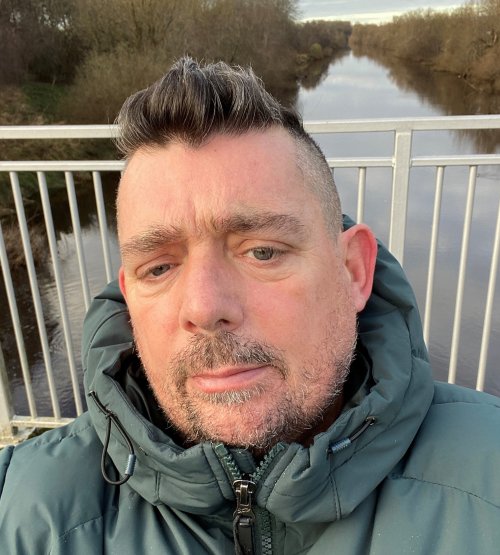
On more than one occasion as I climbed out the car, someone’s asked: ‘Do you know that’s a disabled parking bay?’ The feeling of being an imposter hits again.
It may not be evident, but my MS is real. Pain, fatigue, brain fog, stumbling, medication – every day.
Don’t tell me I don’t know pain
Angharad, 48 and from Pembrokeshire, describes how people don't always recognise what she lives with day to day:
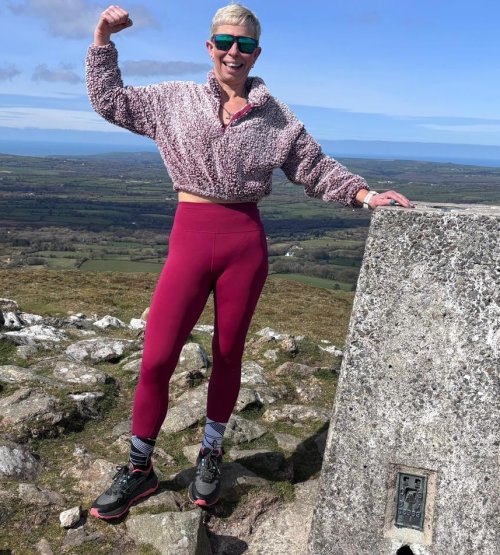
I’ve got MS, but because I’m so determined and such a strong-willed character, it comes over that people don’t believe I have anything. It’s frustrating – they have no idea what I go through to follow my passions.
I train on a beach – commando style training – we run up and down the steps and then go in the sea afterwards. And I’m doing the Welsh three peaks in June. I hope I’ll finish!
She describes how hurtful this misunderstanding can be:
Give me a challenge and I’ll give it a go. I get defensive and then even more determined [when people question my workouts] and that’s not very mature either, but don't tell me I don't know pain. I'm the first to say, ‘I'm fine, there’s a lot worse’, but that doesn’t mean I haven't suffered or aren't suffering.
The fear of being misunderstood can be debilitating
More than half of people with MS (56%) told us they’ve been made to feel uncomfortable, while more than a quarter (28%) say the fear of judgement has stopped them leaving the house.
For Jordanna, 44, who is living with MS in Holywood in Northern Ireland, worrying about people’s perceptions has had a huge impact.
The fear of being judged has been overwhelming at times. I’ve stopped attending many social events, particularly longer ones or evening outings, because my MS is so unpredictable and can change within minutes.
I worry that I might need to leave early, sit down frequently, or that I won’t be able to stand for long — and once fatigue sets in, it intensifies all my other symptoms.
Alongside managing the physical symptoms, there’s also the fear that people might think I’m lazy or exaggerating.
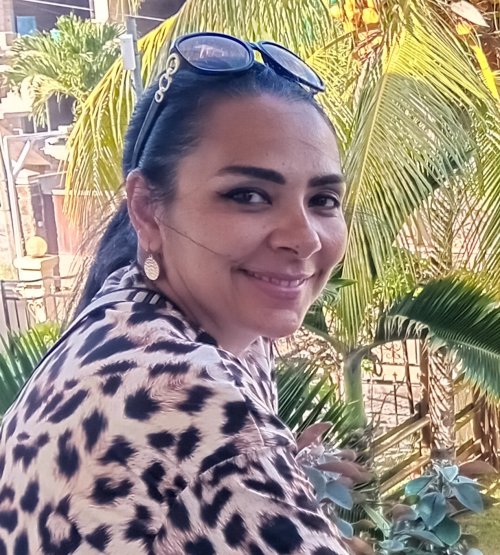
Challenging assumptions about what people with MS can and can’t do
After her diagnosis, Jordanna began questioning her sense of purpose. When she decided to return to education, some people close to her worried it might be too much. She says: "Their concerns came from a place of love, but it did make me question whether MS meant I should lower my expectations."
With the support of her college and adjustments to help manage fatigue and other symptoms, Jordanna has been able to continue studying. She says: "Returning to education gave me a sense of direction again. MS may change how I do things, but it doesn’t mean I can’t do them."
This MS Awareness Week, we’re challenging assumptions about MS and raising awareness of the harm they can cause. Aliya has this clear plea for understanding:
People need to understand the full spectrum of disability – conditions are not straightforward, especially MS. You shouldn’t judge appearance, because this is just your perception and not the lived reality of the condition.
Encouraging people to #MSThinkAgain
We’ve teamed up with seven of the UK’s biggest MS charities to challenge harmful assumptions. And help people living with MS to be heard.
Find out how you can get involved in the #MSThinkAgain campaign.


