Work, MS, and the power of being understood
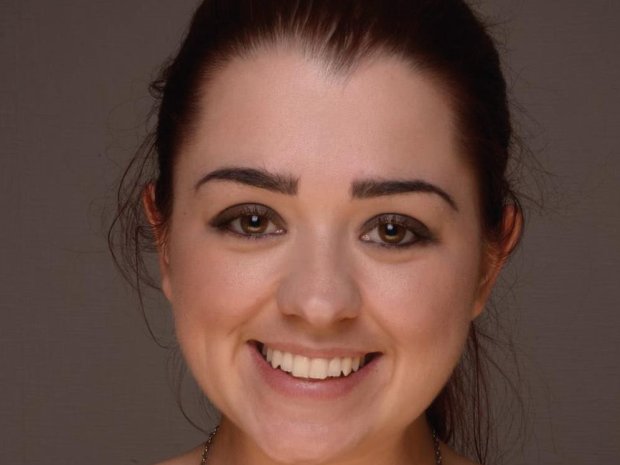
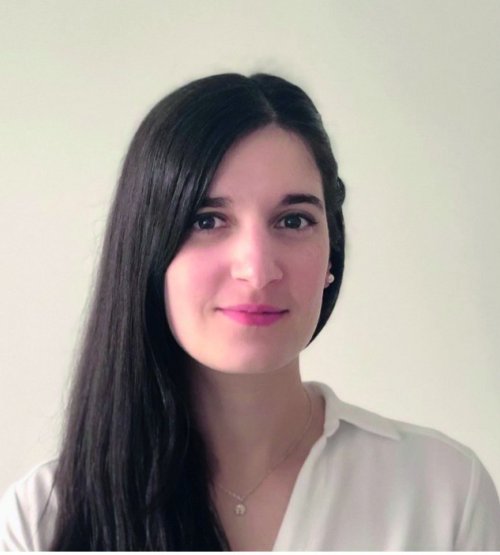
Most people with MS are diagnosed right in the middle of their working lives. Dr Blanca de Dios Pérez from the University of Nottingham is researching how to help people stay in work after diagnosis. Beth Slade, health and safety consultant and Research Network member, caught up with her to find out more.
More than a job
Less than half of people with MS are still working 10 years after diagnosis. That’s a statistic I’ve read many times recently, but it still shocks me. And as someone living with MS, it hits hard.
When you receive an MS diagnosis, one of the most terrifying unknowns is how it will affect your ability to work. Many of us consider our job to be part of our identity and a source of purpose, independence, and pride. As someone driven by their career, the thought of losing it was terrifying. But it was a topic my healthcare professionals never mentioned. I’d received a life-changing diagnosis. Without any support on how it was going to affect one of the biggest areas of my life: work.
That was 10 years ago. There's a lot more awareness of supporting disabled people at work now. But even employers with good intentions can still get it wrong.
Support matters
Blanca has spent 12 years working with people with MS. Initially, she focused on understanding the cognitive difficulties people with MS face. But through these conversations, she consistently heard how important people’s professional lives were to them. She’s now exploring how people with MS can be supported to stay in work, and what that support should look like.
Blanca is working to embed timely, expert guidance into existing services, so we no longer have to navigate these challenges alone. She’s currently testing a new way to offer individualised online employment support, delivered by trained staff at MS charities like the MS Society.
Tailored support is key
In our conversation, Blanca challenged assumptions around adjustments:
"Flexible working is the most underestimated support."
It’s not a costly or complex change, just the flexibility to work around symptoms.
She also stressed the importance of timely, not just early, support. She says:
“Some people want help straight after diagnosis, but others need space to adjust before they’re ready for that help. It can’t be a one-size-fits-all approach.”
Another thing that surprised me was people’s positive response to remote support. It’s flexible, less tiring, and often more comfortable than in-person meetings. I think this support should be embedded into every care conversation.
Realising your value
During our chat, Blanca shared with me an anonymous quote from one of her research participants. It really stood out for me:
“You don’t realise you have value until someone tells you.”
This stopped me in my tracks. It’s about more than access to work. As Blanca puts it:
It’s about identity, confidence, and being seen as someone who still has a lot to offer.
Her research is showing that with the right support, people with MS can thrive at work, deliver results, and remain healthier.
Don’t rush to decide
As we ended, I asked for Blanca’s advice for anyone newly diagnosed who may be worried about their work:
“Don’t make big decisions in a moment of crisis.”
Those early days can feel like a freefall, but don’t rush into decisions before you’ve had time to breathe. Ask for help and understand your options.
I wish this message had reached me 10 years ago. I left the conversation feeling full of hope. Support doesn’t have to be big or expensive, but it does need to be timely, practical, and human. And that’s exactly what this research is working towards. The right support can mean staying in work with MS isn’t just possible, it’s powerful. You can shape your future on your terms.
You're not alone. You're not invisible. And you're not done.
This blog came from an article in our MS Matters magazine.
You may also be interested in


Join the Research Network
Our Research Network make sure all the research we fund reflects the needs and interests of people living with MS. And they help us talk about it in a way that’s accessible to everyone.
Anyone who lives with MS or cares for someone who does can get involved. It doesn't matter where in the UK you live or how much research experience you have.
