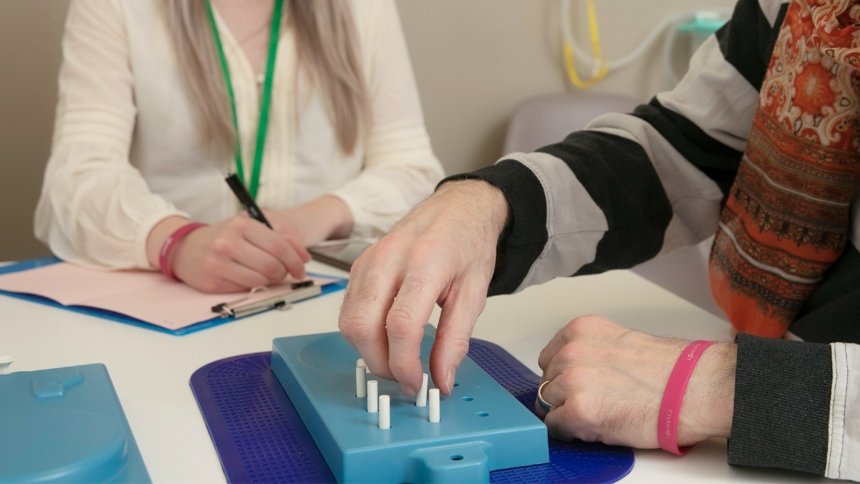
Taking part in MS research at any age
MS research is for everyone. But to make sure it reflects the needs and experiences of everyone affected by MS, it’s important that people of all ages take part. We spoke to Rowan, Georgie and Jane about what taking part in research means to them.
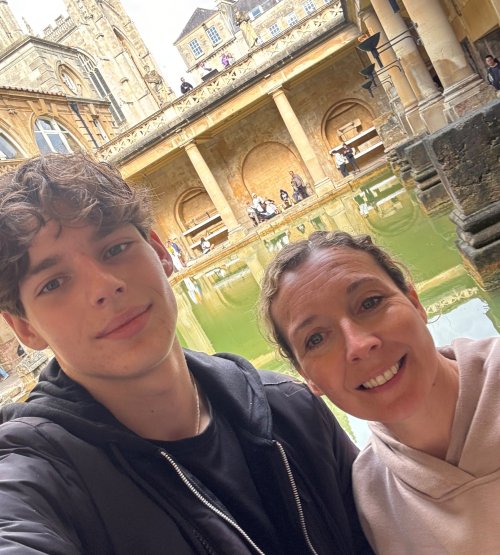
Rowan is 15 years old. He took part in the ARMOUR-One study. It aims to help us better understand myelin repair in people with MS, from childhood through old age.
I was diagnosed with MS when I was 11 years old. After my diagnosis, I just went to my clinic appointments to get my infusions, but I wanted to think about my MS as little as possible.
But then I learned about the ARMOUR study from my MS nurse. The research team explained to me how the study may help other people with MS later on. I’ve largely benefitted from the research that people before me have done. And I think it’s important to give back, so I decided to take part.
Rewarding experience
I went to Cambridge every six months for my study visits. They include a bunch of different tests, like eye tests, blood tests, questionnaires and a reaction time test.
My mum and I usually made a day of it and got lunch or did something fun afterwards. The day itself could be quite tiring, but I also found it very rewarding.
Importance of including younger people
I think it’s really important to include younger people in MS research. Most research is done in middle-aged people and there’s so little done with younger people. But only by including them can we change the narrative of what MS looks like. And I’m very happy to be involved in that and give back wherever I can.
When Rowan had his first symptoms, we’d never even heard of anyone that young with MS. The media often shows people with MS as older individuals who are using a wheelchair. It’s important for younger people like Rowan to take part in research, so that we can increase our knowledge and awareness for people like him.
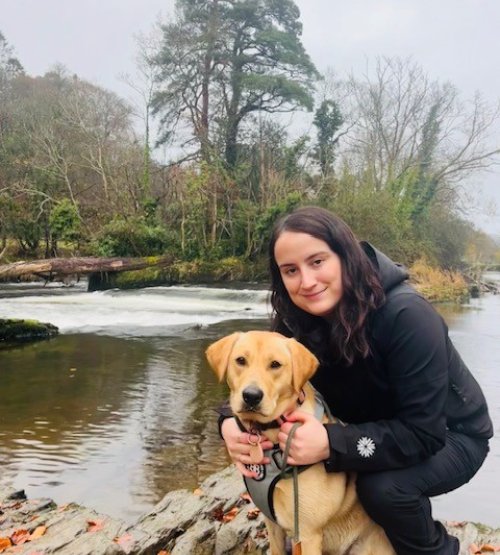
Georgie lives with relapsing remitting MS. She took part in the DELIVER-MS trial. It investigates whether a more intensive or less intensive treatment is better when someone is first diagnosed.
I had my first ever MS symptom when I was 20 years old. I lost the vision in my left eye. At first it was dismissed as nothing to worry about. But after I got a private referral for an MRI and lumbar puncture, I was diagnosed with relapsing remitting MS at 22.
When I first heard about the DELIVER-MS trial, it was like music to my ears. Some people start with a less intensive treatment when they get diagnosed and only get on a more intensive one if their MS gets worse. This is called an escalation approach. Others start with a more intensive treatment as soon as they get diagnosed. That’s the early-intensive approach.
I was always keen to start with the more intensive treatment from the get-go – rather than waiting for things to get worse before escalating my treatment. I didn’t want my MS to affect my studies or lifestyle. So taking part in DELIVER-MS was a no-brainer for me.
Taking part
Once I signed up for the study, I was randomised to be on the early-intensive treatment arm of the trial. That was exactly what I had hoped for. During the trial, I had regular phone calls with the research team. They asked me questions about my health and I had the opportunity to raise concerns if I had any.
I also had in-person appointments. That means I was lucky to have far more regular MRIs and neurological tests than I would have had under regular NHS care.
Give it a go
I hope this research will help determine what the best treatment approach for newly diagnosed people is. In the long run, this could hopefully improve people’s quality of life.
Taking part in DELIVER-MS is the best thing I've ever done. If you’re interested in getting involved in MS research, I really recommend you go for it! Have a curious mind and ask questions.
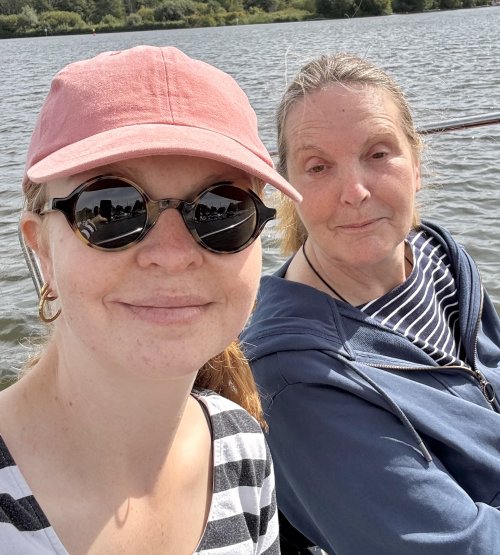
Jane is 69 years old. She’s taking part in the ChariotMS trial. The trial is testing whether a drug called cladribine can slow worsening of arm and hand function in people with advanced MS. Jane’s daughter Anna supports her with this.
I’ve already completed another clinical trial for a different drug a few years ago. When my clinician told me about ChariotMS, I was immediately interested. I think it’s very important that people who are further on in their MS journey still contribute so that we know more about what’s useful and what isn’t.
Positive experience
My research visits are always very positive. I’m on first-name terms with the nurses. And everyone is respectful, helpful and charming. My daughter Anna comes with me to support me. And the trial team covers the transportation costs for both of us.
Making advanced MS visible
A long time ago, I worked in nursing. And I remember that back then a lot of older people with MS just got wheeled to the side. But I don’t just want to sit here and not do anything. I want to say “I’m Jane and I’ve got MS. But I’m not defined by it.”
And I want to take part in research that will help push our knowledge further on. That’s why I think it’s so important to have a trial like ChariotMS for people with more advanced MS.
My hopes
If we could stop the progression of MS, that would be absolutely wonderful. I hope that we’ll find treatments to help me maintain what I’ve got at the moment. So that I can still be me.
It’s been an absolute pleasure supporting my mum with this. A lot of great research has been done for relapsing MS, but it’s good that we now finally have research that also includes the older generation and people with more advanced MS.
You may also be interested in


Join the Research Network
Our Research Network make sure all the research we fund reflects the needs and interests of people living with MS. And they help us talk about it in a way that’s accessible to everyone.
Anyone who lives with MS or cares for someone who does can get involved. It doesn't matter where in the UK you live or how much research experience you have.
