
Why I take part in MS research
We fund a broad range of research projects. They work to improve diagnosis, treatments and support for people living with MS. Taking part in research is a big part of that process—it’s how we turn ideas into real improvements for people living with MS. Lauren Forrester and Paul Griffin told us what taking part in research trials was like for them.
While it may be too late for me, it will hopefully benefit the next generation of people living with progressive MS.

Paul Griffin
Paul Griffin was diagnosed with relapsing remitting MS in 1996. In 2017, he was diagnosed with secondary progressive MS. He's taking part in ChariotMS. This is a clinical trial testing whether a drug called cladribine can help people with MS maintain the use of their arms and hands.
Paying it forward
In the early days of my MS I was able to take Rebif, which someone would have been on a trial for 20-plus years ago. I think it’s only fair I pay it forward – and that’s why I decided to take part in clinical trials myself. While it may be too late for me, it will hopefully benefit the next generation of people living with progressive MS.
Personal benefits
But there’s also personal benefits to taking part. I get regular, dedicated time with a neurologist and MS nurse. These appointments are often far more thorough than regular clinical appointments. And they often include tests that you wouldn’t normally do – especially when you have progressive MS. These include physical and cognitive tests, and additional MRIs. For example, through the trial I found out that I have high blood pressure. And now I can tackle this with my GP.
And it’s all at no extra cost to me. The trial team pays for fuel to get to the appointment.
I’d say give it a go
If you’re considering taking part in research, I’d recommend giving it a go. It’s important to remember that you’re not signing your life away. If you change your mind, you can withdraw from the trial at any time.
Research doesn’t have to feel clinical or scary, but it can be very fascinating and fun.
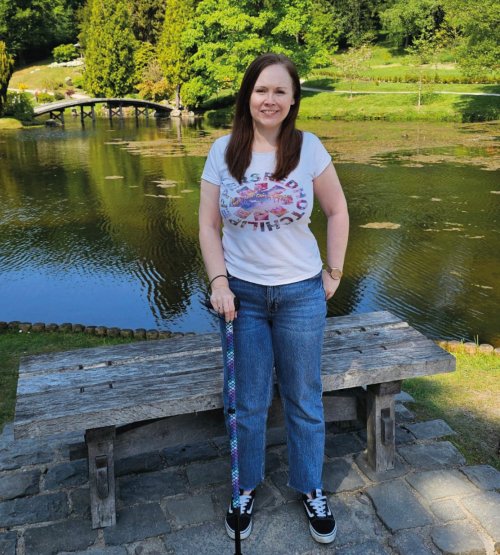
Lauren Forrester
Lauren Forrester has been living with highly active relapsing remitting MS since 2021. She took part in a research project that tests how virtual reality games can help people with MS rehabilitate their upper limbs.
Taking back control
When I was diagnosed with MS in 2021, I spent six months in hospital. I was completely paralysed on my left side and couldn’t get out of bed. I don’t remember most of my time in hospital – and my partner had to make most of the decisions for me.
Taking part in research helped me take back some of that control. It’s a way of taking back agency.
It was such fun
Before taking part in this trial, I’d never used virtual reality. But it was so much fun and really engaging. Instead of rehabilitation exercises, it felt like a light-hearted game. But at the end there’s the bonus of it potentially being beneficial for you!
It’s the small wins
For me it’s the seemingly mundane things that I’ve re-gained. My biggest win recently is that I can now carry two cups of tea at the same time again.
And it feels great doing something positive. Because how can we expect progress if we don’t make it happen ourselves?
I can’t recommend it enough
If you're considering taking part in research, I’d recommend you go for it! Research doesn’t have to feel clinical or scary, but it can be very fascinating and fun.
You might also be interested in


Join the Research Network
Our Research Network make sure all the research we fund reflects the needs and interests of people living with MS. And they help us talk about it in a way that’s accessible to everyone.
Anyone who lives with MS or cares for someone who does can get involved. It doesn't matter where in the UK you live or how much research experience you have.
