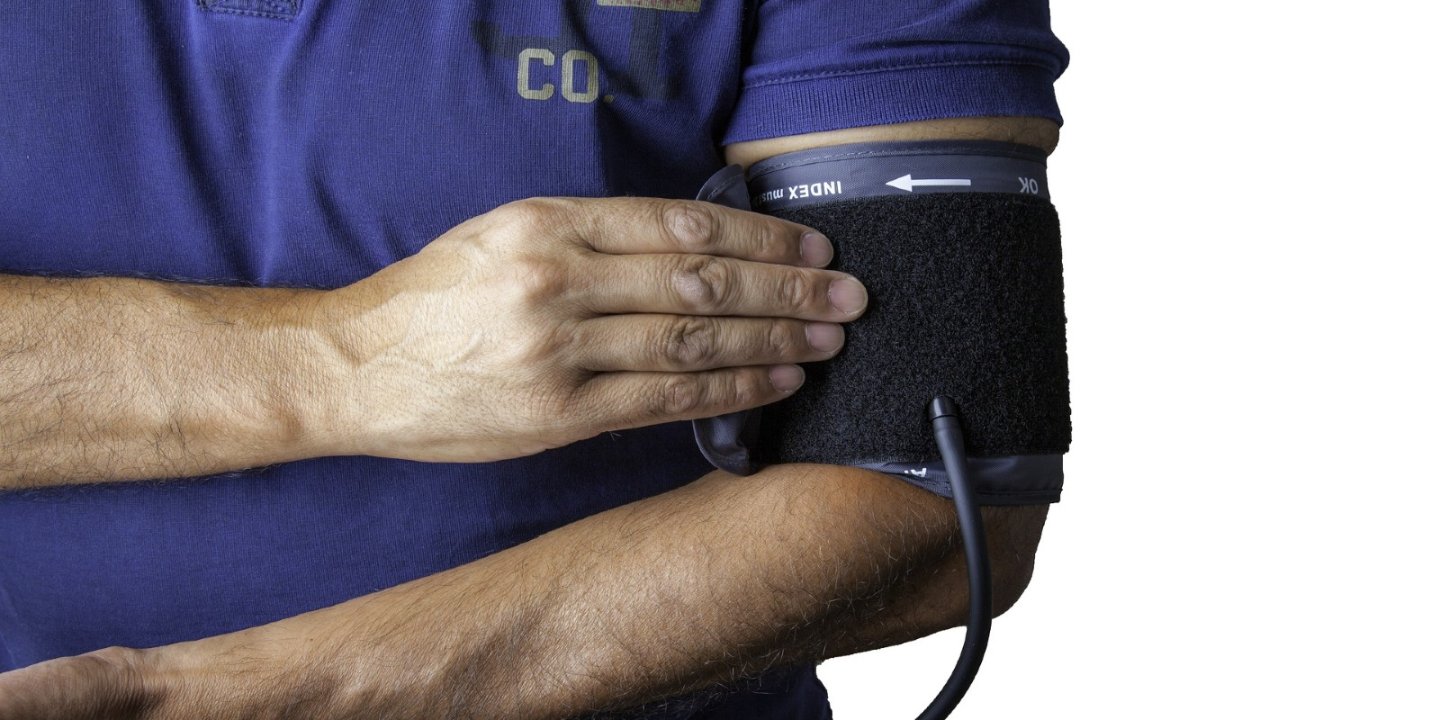
Study highlights need for MS-specific calculators to predict heart attack and stroke risk
Doctors use risk calculators to work out someone’s risk of experiencing serious problems related to your heart and blood vessels, like heart attacks and strokes.
This helps them take steps to support someone’s heart health if they’re at higher risk.
But a new study supported by the MS Society has found these calculators don’t accurately predict the risk in MS.
Read the full paper on the journal website
Why is heart and blood vessel health important in MS?
Previous research has suggested that having MS is linked with a higher risk of problems like heart disease, heart attacks and strokes.
This increased risk doesn’t seem to be fully explained by traditional risk factors, like diabetes, high blood pressure or high cholesterol. Even though these are also more common in people with MS.
So there may be something else about MS that increases the risk. Possible reasons include, for example, ongoing inflammation.
Growing evidence also suggests experiencing heart and blood vessel problems might impact MS outcomes like relapse rates and disease progression.
What did the researchers do?
Researchers from the UK, Canada and Italy analysed health records from over 390,000 people in England between 1987 to 2023.
They tested five widely used risk calculators to see how accurately they predicted future heart problems in people with MS. These calculators are designed for the general population and focus on the traditional risk factors.
The results showed these tools often underestimate the risk in people with MS. And adapting existing tools was able to achieve only modest improvement.
Why don’t these tools work in MS?
The findings support the idea that something beyond traditional risk factors contributes to the increased risk of heart and blood vessel problems in MS.
Also, current risk calculators tend to put a lot of emphasis on age. So younger adults can be classified as low risk even if other risk factors are present. This may be particularly important in MS, as people are often diagnosed in their 30s and 40s.
What does this mean for people with MS?
Without accurate enough tools, doctors may not be able to identify people with MS who are at higher risk of heart and blood vessel problems. So some people might not receive preventative care like statins or blood pressure monitoring.
What needs to happen now?
While an adapted calculator could be an interim measure for doctors, the researchers believe an MS-specific tool is needed. This would combine traditional risk factors with MS-specific measures, like disability.
They’re also urging an update to international guidelines, so MS is recognised as a condition that increases the risk of heart and blood vessel problems. Currently, MS isn’t explicitly considered in national screening advice on diabetes and cholesterol.
Lead researcher Professor Jeremy Chataway says:
These findings could lead to important changes in how MS is managed. In the future, people with MS could receive earlier screening, more proactive treatment, and stronger support for healthy lifestyle changes, such as quitting smoking. Ultimately, improving cardiovascular health in people with MS could not only reduce the risk of heart attack and stroke but also improve outcomes for the condition itself.
Looking after our hearts and blood vessels
We don’t know for sure yet whether improving heart health might also benefit people’s MS. Researchers are exploring this.
But we can all take steps to look after our hearts, by adopting healthy habits, like regular physical activity, eating a balanced diet, and not smoking.
Find out about healthy eating in MS
You may also be interested in


Join the Research Network
Our Research Network make sure all the research we fund reflects the needs and interests of people living with MS. And they help us talk about it in a way that’s accessible to everyone.
Anyone who lives with MS or cares for someone who does can get involved. It doesn't matter where in the UK you live or how much research experience you have.
