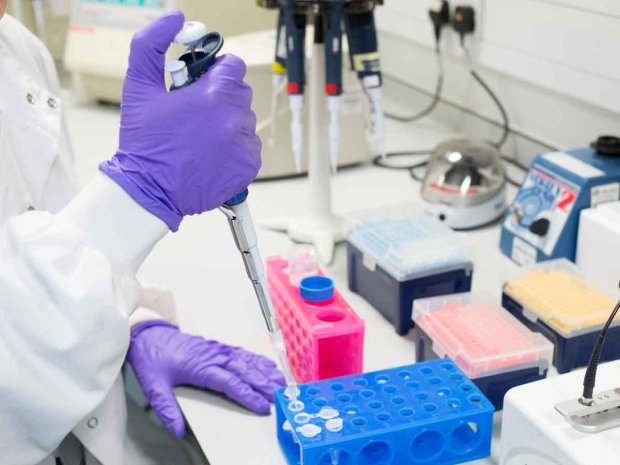
The difference we made in 2024
2024 was a big year for research for us, with our current research strategy coming to an end, major milestones for all our clinical trials, and our research conference MS Frontiers taking place.
Our researchers made discoveries across all our priority areas – slowing or stopping progression, managing symptoms and preventing MS. And, crucially, people with MS told us how much they benefitted from being involved in our research.
We’re proud to be driving significant progress in MS research, but there’s so much more still to do. In 2025, we’ll be launching a bold new research strategy for the next five years. It will build on the existing momentum to take us even closer to a world free from MS.
2024 in numbers
- We supported 277 researchers at 17 universities in all four UK nations
- Our researchers published 52 new papers
- 90 people affected by MS from our Research Network got involved in MS research
- We committed to raise £2.4million for 25 new projects
- We helped secure £1.4million in additional funding for MS research from our co-funders
- 180 researchers attended our MS Frontiers conference
- 58 new early career researchers joined our ECR network
Managing symptoms
Finding ways to manage symptoms without drugs
We launched our first Doctoral Training Centres, in Glasgow and London. These centres aim to find ways to manage symptoms without drugs, using things like exercise and digital tools. And they’re helping us build the next generation of MS research leaders by providing research training for 11 PhD students.
Helping people stay in work
Work is central to many people’s identities, yet 80% of people with MS retire within 15 years of their diagnosis. We committed to fund a new project aiming to break down some of the barriers to implementing an employment support programme in the real world.
The programme was developed as part of a previous project we funded, helping people with MS to stay in paid employment by supporting them to achieve their employment goals and feel empowered.
I feel empowered and capable. I have had some conversations with my new line manager, and she is very supportive. Whenever I need it, I would be able to speak up for myself. Because I think a lot of the things with the understanding the MS, now I feel in a better position because I understand how it affects me in work, I can ask for relevant things.
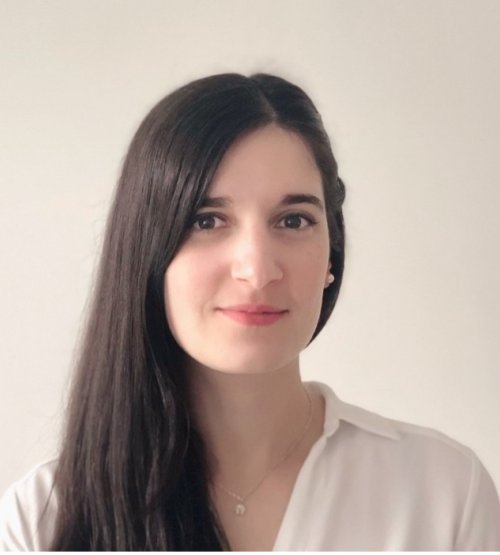
But delivery through the NHS faced challenges. Our new funding is helping Dr Blanca De Dioz Perez to make sure people with MS can actually access this potentially life-changing programme, by adapting it to be delivered by professionals working at MS charities, including our MS Helpline staff.
Blanca was a PhD student when she originally developed the programme. This new project is an Early Career Fellowship, our funding scheme for those who want to build a career in MS research.
Being the principal investigator in this project will help me develop the skills to be an independent researcher and progress knowledge in the field of vocational rehabilitation. This Fellowship will give me a platform to have a direct impact on the lives of people with MS. The commitment of the MS Society to Early Career Researchers is inspiring.
Getting closer to stopping progression
Progress in the lab
Our Centres of Excellence in Cambridge and Edinburgh had fantastic mid-term reviews, with the Management Board of people with MS and scientific experts describing them as “producing some of the highest quality pre-clinical research in the world”. We also committed to fund a new Northern Ireland MS Research Hub, which is opening in 2025.
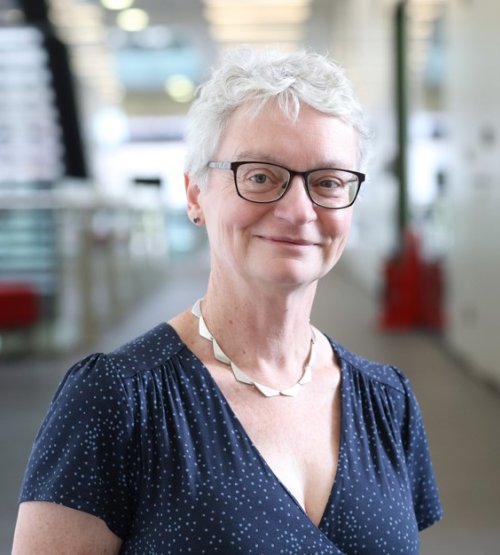
Professor Anna Williams is co-lead of our MS Society Edinburgh Centre for Myelin Repair. She published two important papers will pave the way for future discoveries. In one study, Anna’s team discovered they could use a gene editing technique to boost myelin repair.
In another, Anna and her colleagues found they could separate people with MS into groups based on how their brain cells behaved. Building on these findings we can hopefully improve trials and find tailored treatments. Ultimately, it could help us move to precision medicine – something that’s already revolutionised the cancer field.
This is such an important discovery. So far, we've observed these subgroups using post-mortem brain tissue. To help treat MS, we need to work out how to group people with MS using blood tests. We could then design clinical trials specifically for these subgroups, which could help us get the right drugs to the right people.
Clinical trials
Our CCMR2, DELIVER-MS and ChariotMS trials all reached their recruitment targets. Octopus completed stage 1 recruitment, several months ahead of schedule thanks to the huge response from the MS community, and moved seamlessly onto stage 2.
Very disappointingly, the top-line results of the MS-STAT2 trial showed simvastatin wasn’t able to slow disability progression. But as the largest ever academic-led trial in progressive MS with nearly 1000 people taking part for up to four and a half years – it showed how the UK MS community can deliver high-quality, large-scale clinical trials.
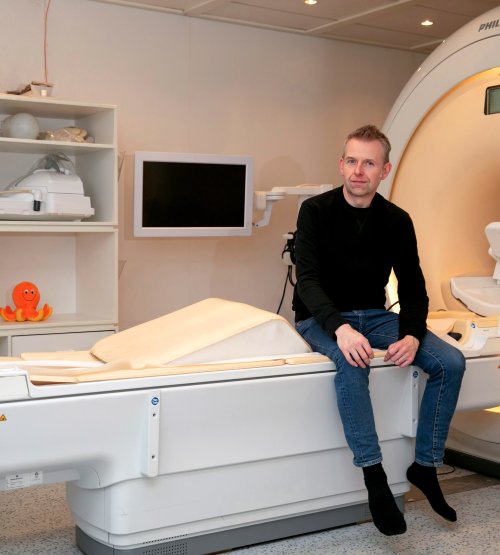
Mark Offord lives with secondary progressive MS and was part of MS-STAT2 trial. While the results were incredibly disappointing, he still believes being a participant was one of the best decisions he’s ever made.
All of this insight was worth its weight in gold to me as I could reframe my MS by being equipped with as much information as possible. What an incredible team they are. They were welcoming, upbeat, positive, and set me at ease. It was clear from the get-go that their determination to find answers and solutions for people living with progressive MS was second to none.
Uncovering new drivers of progression
Research we funded discovered that inflammation outside the brain, such as that caused by common infections like colds and urine infections, could contribute to progression. The findings may offer new strategies to slow down progression.
The results of this trial have highlighted how vital it is for me to stay hydrated to avoid this type of infection in future. And it also makes me realise how important it is to know the signs and symptoms of having a UTI, and to get help as soon as possible for any infection.
Preventing MS
Following recommendations from our new UK MS Prevention Taskforce, we opened a call for research to explore the understanding and perceptions of people with MS and their relatives to MS risk, which will help us shape future prevention research studies.
How we work
An MS workforce that works for everyone
Our UK MS Register was part of the UDR UK Black Internship scheme, which aims to address the lack of diversity in the research sector. Joy Amobi and Laura Khaukha took part.
Even though times have changed and society has progressed, people of colour still experience many biases and discrimination, especially when trying to enter certain industries. This is why I think programs like these are extremely important. They provide valuable, equal opportunities and a platform to build upon and develop specific expertise and skillsets. I'm hoping to work continuously in this field and make valuable contributions.

Partnering with people with MS to shape research
Chris Rafaluk was diagnosed with relapsing remitting MS in 2019. He was the Chair of our 2024 Data Discovery Awards panel. Chris’s experience as someone who lives with MS, enriched the discussions and decision-making process. As a result, the funded awards were provided with feedback that made their proposed research plans more attuned to the needs of the MS community.
By making the voices of people with diverse lived experiences heard, we can add context and design research that’s really relevant and meaningful for people with MS. Being part of the Research Network gives me the opportunity to influence the kind of questions scientists ask. And it’s definitely improved my personal understanding of MS.

You may also be interested in