
After my MS diagnosis, I became an advocate
After five years of life-changing symptoms and uncertainty, 28-year-old Gemma finally got an MS diagnosis. Her experiences set her on a new path in life, including becoming a passionate advocate for other disabled people.
I was only officially diagnosed with MS in 2023. My first symptoms started five years earlier, when I was 18. It took five years to get a diagnosis, which meant five years without the right treatment.
Half of my body was paralysed. I temporarily lost the ability to walk, write, and look after myself. At the age of 18, it felt like the end of my life, basically.
I spent three years teaching myself to walk again. Now, I walk completely unaided. I taught myself how to use the left side of my body and to write again. A couple of years ago, I started working out, and I was so happy when I could jump - because my body remembered how to do it.
I changed neurologists and everything changed
At first, they thought I‘d had a stroke. Then they thought I had something called ADEM (Acute Disseminated Encephalomyelitis).
I kept having relapses, and the doctor told me, “It’s the ADEM - you're going to get fluctuations of symptoms”. But from what I read everything pointed to MS. At the time, I thought that was an awful diagnosis because of the way it’s portrayed on TV and in the media.
I didn’t think they were taking me very seriously. Maybe because I was young and it’s not common for an 18-year-old to have MS.
After two years, I changed neurologists. I was anxious about describing my symptoms to them, thinking “Will they believe me?” Because they can’t see what’s going on inside me. But I had a muscle spasm (know as a ‘painful tonic spasm’) right in front of my neurologist, and that was a clue for them. Muscle spasms are rare for people with ADEM.
Getting the right support
Now I’ve got a fantastic neurologist who takes my symptoms seriously, and a fabulous MS nurse. I can go to her if I have any concerns about symptoms.
The nurse told me, “we think you should take a DMT (disease modifying therapy)”. I was very scared because I thought it meant my MS had got really bad, but I knew it was the best thing for me. I take Ocrevus (ocrelizumab). At first it made me feel incredibly fatigued and I was experiencing frequent infections. But that was me adjusting to it. Now I look forward to getting my infusion because it makes me feel like a whole new person. I don’t notice any significant side effects and it increases my energy levels - it makes me feel on top of the world now.
I can tell when my MS symptoms are getting worse because I feel more anxious and depressed. I’ve had therapy and I take medication for my mental health. It’s good to talk to someone and find ways to deal with negative thoughts.
The ups and downs of a diagnosis
When I was finally diagnosed, I felt relief. I had a name for my symptoms, and MS is something that’s been researched. But I was also very scared. I didn’t know what it meant for me now, or my future.
I was afraid to have the label "disabled”. I didn’t like that. I feel like there’s a lot of stigma around disability.
People seem to think that MS means you’re going to die, or that only older people get it. I’ve had comments like “I thought you had to be older to have MS”.
Now I’m on a new, and rewarding, path
When I was younger I wanted to be a journalist. But over the years, I’ve been in and out of hospital, and I’ve admired what people in the healthcare industry do. It made me think that I want to do something that makes a difference in people’s lives. Now, that’s what I do every day.
I work for the NHS as a healthcare assistant, supporting elderly people and those with dementia. It’s so rewarding.
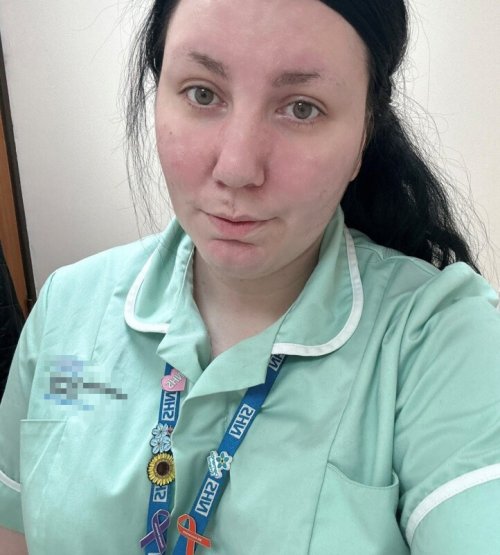
Everyone at my work knows about my MS. I decided to be upfront about it straight away. At work, I’ve got involved with the NHS Trust’s EDI (Equality, Inclusion and Diversity) team. They are absolutely fantastic. They helped me sort out reasonable adjustments. I had my hours adjusted to better support me. The working hours at my hospital are 7am to 7:30pm, three days a week. Rather than do 12 hours a day, I do eight hours across five days. That works out perfectly for me, allowing me to take my medication.
Making sure we’re heard
When I was diagnosed, I volunteered at the job centre disability group to share my story – to help inspire other people. I don’t want people to feel how I felt when I was first diagnosed. I want other people to know you can rebuild your life, even if it’s not the same as before.
My NHS Trust has asked me to represent our employees who have MS and to help educate people about it. Recently, a consultant neurologist at the hospital invited me to speak at a neurology event. I’ve shared my story on our internal intranet, and had local media coverage alongside our CEO who was moved by my story.
I’ve also written about my journey of living with MS in collaboration with my hospital library. The book of my story will be in the library for staff and visitors to read.
I’m a champion (an elected advocate) for people with dementia. I’ve been doing that for nearly two years. I’ve also been put forward by my manager to be a champion for people with learning disabilities, too.
And I’ve also just been nominated for my NHS Trust’s health, wellbeing, and inclusion award, for my campaigning!
Things to be proud of
Three years ago, I was too sick to work and couldn’t see a life for myself. Now I have a career in the NHS and have discovered my passions, and been recognised for them. I’ve done so much for myself without even realising. I did all of this through determination and drive.
I just want to get my story out there, and inspire other people with MS.


