“We weren’t listened to”: our fight for an MS diagnosis
This World MS Day, campaigners are calling for early and accurate diagnosis for everyone living with MS. We hear from Emma, Jay, Martin and Alison, who've come out the other side of a difficult or delayed diagnosis. And we ask our MS nurses their advice if you're struggling to get a diagnosis.
Emma's diagnosis
Emma, now 39, watched both her mum and her late uncle live with MS when she was a child. But when her own symptoms began, they were quite different to theirs and it wasn’t picked up.
“I was about 15 when I woke-up one day and I couldn't walk,” Emma explains. “The doctor said it was a virus, and that sort of made sense. But it took a long time to get over it, and the fatigue never went away. I began to feel overwhelmed with it. Then I was told I was depressed.
"I was 29 and pregnant with my son when I realised something was really wrong. I went to A and E with numbness down my right side and in both hands and feet. They suggested an MRI, but also that I couldn’t have an MRI scan while I was pregnant. After I had my son, the fatigue, brain fog and other symptoms got worse, but this was put down to post-natal depression.
"Eventually, when my son was about five, I went back and I said, ‘I think it could be MS’. I went to see the doctor multiple times and he prescribed pain medication and changed my antidepressants, which didn’t help. He also suggested fibromyalgia – he said it couldn't be MS because it doesn't run in families.
I was told I was depressed – for 20 years.
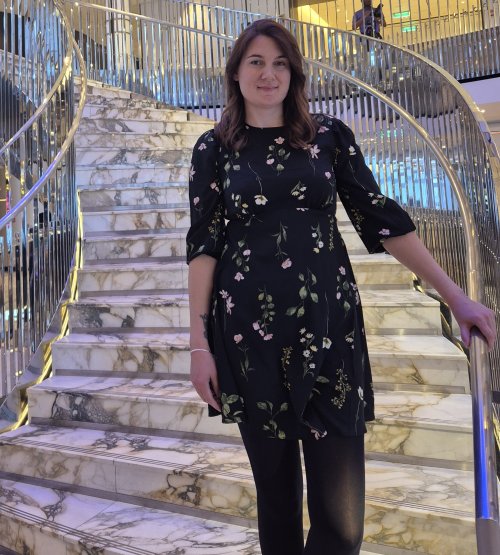
"When the same GP finally referred me to a neurologist, the neurologist was so reassuring. He said: ‘I'm so sorry you've had to go through all this’. He said straight away that my symptoms were likely to be related to MS, but he didn't want to diagnose there and then. I had an MRI scan and that showed the lesions on my brain and my spine. I then had the lumbar puncture. I was diagnosed in November 2022, 20 years after my first symptoms.”

Women are more likely to be medically gaslit
MS expert, Professor Gavin Giovannoni has researched medical gaslighting and MS. In his experience, he doesn't think it's something professionals set out to do, but "ultimately it comes down to time. We get very little time with each patient.”
His research also found that women with MS were more commonly affected. “This didn’t surprise me, he says. “Research in other conditions has shown that medical gaslighting overwhelmingly affects women – particularly those from minoritised ethnic backgrounds."
Jay's diagnosis
Jay became severely ill as a teenager, but didn’t get the care they required for decades.
“I was in constant pain, with cognitive dysfunction, nausea, vomiting and dizziness,” they recall. "I was bedbound and incontinent. But for years, dozens of doctors insisted – without testing me – that it was all in my head."
I’m queer, non-binary and working class – it was easy to dismiss me.
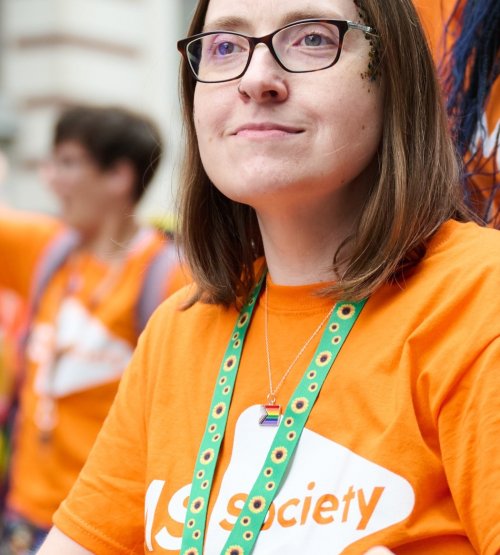
"I don’t think this would have happened to me were I not working class. I’m also queer and non-binary, which just helped make me dismissible. And the fact that I’m autistic made it easy to label my symptoms as psychological.
"I was finally diagnosed in my forties after using a credit card to pay for a private neurologist. It took years for me to be able to access a credit card because I had never worked, and I had no money and no credit. It was a very long journey. But by this time I felt that this was the only way to have the diagnosis verified. It took one appointment with a neurologist, my very first MRI scan and lumber puncture to confirm it.
"The experience of being repeatedly medically gaslit left me with post-traumatic stress disorder and permanent physical disabilities.
"But once I got a diagnosis everything changed – now when I see healthcare professionals I’m able to get referrals, after being refused them before. I’m treated almost as an equal.”
Martin's diagnosis
For some people we spoke to, the long delay to a diagnosis has left them wondering if early treatment could have slowed the progression of their MS. This question of ‘what if’ is a difficult one for Martin. He’s still coming to terms with his healthcare experience so far, while adapting to life with significant physical symptoms.
“My MS diagnosis took a very long time – 15 years,” Martin says. He’s now 40, and received his diagnosis aged 31.
I was also misdiagnosed a couple of times and treated for something I didn't have.
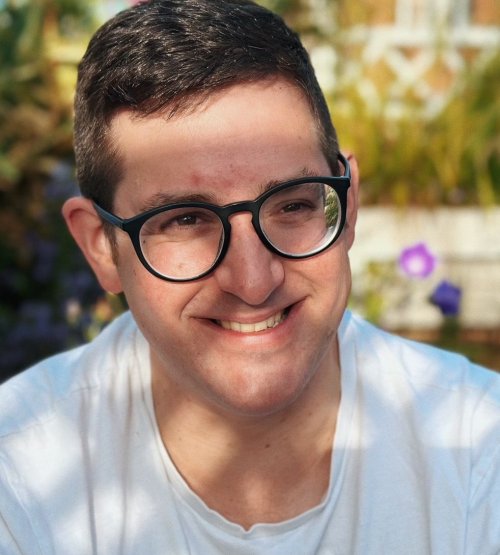
"The last year before my diagnosis, I was told by my gastroenterologist – because they thought it was gastro related – that it was probably psychosomatic. Like, ‘it's not your fault, but it's most probably in your head’, which is not what you want to hear.
"When I was finally diagnosed, I looked at my wife and said: ‘so I wasn't making it up!’ She said: ‘I didn't think you're making it up!’ I'd started to think I had been, because that’s what I’d been told by more experienced people.
"I was very much failed by the system. If it was picked up early I know I wouldn't be physically the way I am now. I’ve had a lot of therapy to deal with it, and it took me a long time to forgive the NHS. It was hugely traumatic. But it’s made me a stronger person on the other side.”
Martin’s diagnosis recently changed from relapsing remitting MS to active secondary progressive MS. This is a shift he has suspected since late 2023.
People with MS wait too long for neurology appointments
Waiting times for a first neurology appointment have risen by 65% in five years. In 2023 to 2024, people with MS waited nearly 22 weeks on average just to see a neurologist for the first time.
The regular delays have serious consequences for people with MS. Without timely diagnosis and access to specialist care, people are more likely to face delays in starting treatment and managing symptoms. This can increase the risk of experiencing a relapse and the likelihood of ending up in hospital unexpectedly.
Alison's diagnosis
One morning Alison woke up and couldn't walk in a straight line. She had no feeling down her left side. “With just one look at me, my GP first diagnosed labyrinthitis,” Alison remembers. “But I told him I didn’t think that was right because of the numbness. He didn’t seem pleased I was questioning him. But he grudgingly told me I could be having a stroke.”
After making her way to the hospital and having tests, Alison was told it could be MS or a brain tumour. She waited a year to find out which.
After another two MRIs, I finally got the MS diagnosis. My neurologist was very dismissive when I told him I had lived the last year thinking I may have a brain tumour.

"He scoffed and said it was highly unlikely. I wish someone had told me that! He very quickly told me very basic information about MS, and I was out of his office within 10 minutes. After waiting a year for this appointment, it was a huge disappointment.”
Once Alison was referred to MS nurses, she says she finally got the care she needed. “They really listen, they have an understanding of what I'm trying to communicate, and they make me feel like I matter as a patient. I don't feel the imposter syndrome with them. I've had neurological physiotherapy to help correct my gait and I’ve started a disease modifying therapy since I began seeing them. They’re definitely my best bet when looking for some help or support.”
Improving future diagnoses for people with MS
Everyone with MS deserves a timely, accurate diagnosis, says Peter Lloyd, our Senior Policy Manager. “And the right support from the moment they receive it,” he says.
“For too many people, that diagnosis comes after months, or even years of unexplained symptoms, inconclusive appointments, and the anxiety of not knowing.”
Specialist referrals regularly have long wait times. But for some people with MS, it can take years and dogged persistence to get a referral in the first place.
Solutions are at hand and should be acted on, according to Peter:
“The causes are well understood,” he says. “There are too few consultant neurologists and MS specialist nurses to meet growing demand. The pathway to diagnosis involves several necessary stages. But people are waiting far too long at each one before reaching the specialist who can confirm their diagnosis and start treatment.
"The solutions are not out of reach. Every part of the UK needs clear clinical standards for MS care, a workforce with the capacity to deliver them, and health systems that are held to account when people are let down.”
Advice from our MS nurses in the MS Help Hub
MS nurse Jennifer McNeil told us the team regularly speak with people experiencing challenges in getting a diagnosis.
How typical are the experiences of Emma, Jay, Martin and Alison?
Sadly, it’s very common to hear from people who’ve been experiencing unusual symptoms and they’re struggling to be heard or referred for further investigations by their GP. Often people have to make multiple appointments before action is taken.
Why can MS take so long to diagnose?
MS can cause many symptoms and it’s so variable. We know symptoms can come and go. So if symptoms do settle, no further action is usually taken. Other health conditions can also cause similar symptoms, so this is likely to be a contributing factor. Then there are the waiting times to see a neurologist on the NHS. People often describe being in limbo with the anxiety living with unexplained symptoms and waiting on test results.
What advice do you have for people struggling to be heard by their GP?
It may be helpful to ask to see a different doctor. And to know you have the right to ask for a referral to a specialist. It’s important people can feel they can have an open and honest conversation with their GP. And to understand the reasons that decisions are being made.
What else can people can do to support themselves during this process?
Keep a diary or note of symptoms, along with when they started. Plus, note if you’ve noticed if anything that triggers symptoms to get worse or improve. Ahead of appointments it can be useful to write down questions and put them in order of importance.
It can also be helpful to take someone with you for support. This is especially important if there are any language barriers or communication difficulties. And don’t be afraid to ask questions if you don’t understand information or medical jargon.
People can get in touch with our MS Help Hub if they need support or guidance. And we have some useful information on our website including our info on getting the most out of appointments.


