MS Letters: Dear 11-year-old-me
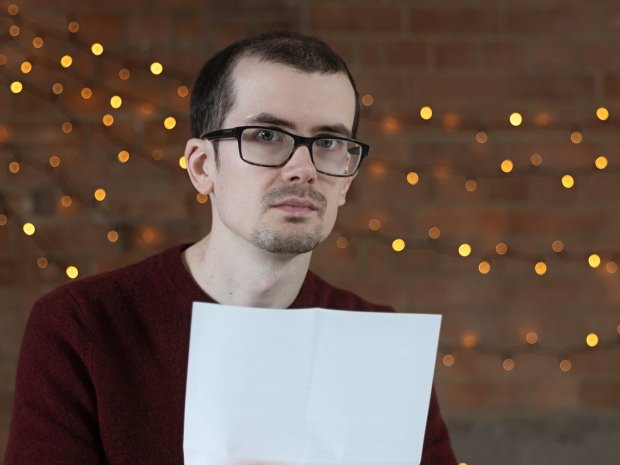
Liam, 36, from London, has lived with MS since childhood. He's written a powerful letter to his 11-year-old self about growing up with MS, and the hope that research is bringing today.
What I’m going to say might sound a bit scary, but something called ‘MS’ is going to be a big part of your life. It’s come along at the worst time - the summer before you start secondary school.
You won't get a diagnosis until you’re 14. So, for the next three years you’re not going to know what’s wrong with you. You won’t be able to explain or even identify your symptoms.
At school you’ll try to keep up with your friends, and do all the PE, sport and running for the train home that they do. You won’t realise for some time why you can’t keep up with everybody else.
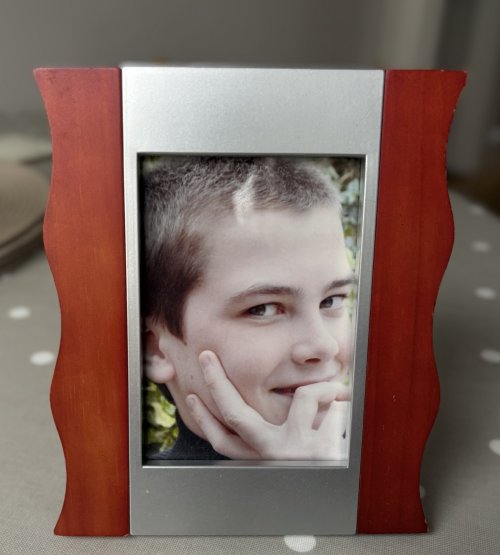
A name for your strange symptoms
At 14, you’ll finally hear the words ‘multiple sclerosis’. You’ll start on a treatment for MS – one of the few available at the time – called beta-interferon.
You’re unaware of the implications MS might have for your life. You’ll keep pushing through, pretending everything’s fine. Sometimes, it might feel like everything is happening too fast and all at the same time.
“Listen to your body – your health comes first”
You’ll feel like you must choose between your health and fitting in. And you’ll pick schoolwork, popularity, and keeping pace with everyone else.
My advice is to listen to your body and put yourself first. The exams and excelling at schoolwork you forced yourself to do really aren’t as important as they seem at the time.
Hope is coming
By 16, your symptoms have worsened, and you’ll start using a wheelchair.
It’s hard to deal with your MS getting worse. But hope is coming. Your specialist will refer you to take part in a research trial for a new treatment called Lemtrada in December 2007. A lot of your symptoms will reverse and the progression of your MS will slow down.
You’ll go to university, get your degree, and get a part-time job.

By doing regular exercise - Pilates, cycling, walking on a treadmill – you’ll take care of your body. You’ll stay close with your family, especially Mum. You’ll even become an uncle, and your loving family will keep growing.
Sometimes, it’s hard, but remember you’re not alone. You’ll connect with other young people with MS who understand what it’s like. That helps a lot.
How you’ll support MS research
Your MS will slowly start to get worse in your thirties, and you’ll join the Octopus trial. It’s an incredible study trying to find more, new treatments for progressive MS. When you were first diagnosed, doctors didn’t even talk about treating progressive MS.
Now you're helping researchers put progressive MS on the map.

You’ll go to the hospital every couple of months for blood tests, MRI scans, and dexterity tests (the 9 hole peg test). You’ll feel looked after. And you’ll feel real hope that one day, we’ll be able to slow down MS. Or even stop it completely.
This is your story of life with MS so far, Liam. Research will hopefully write the end.
Stay strong.
Your older self, Liam.
Every MS Letter tells a story. Help us write the end.
Liam's letter is real. So is the impact you can make by donating to help fund vital MS research.
Liam's MS letter
You may also be interested in


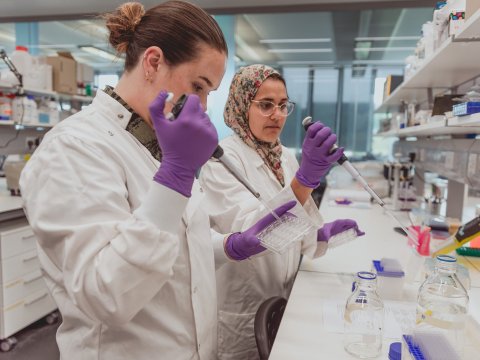
It's time to write the end of MS
Donate today and help turn world-leading research into life-changing treatments.