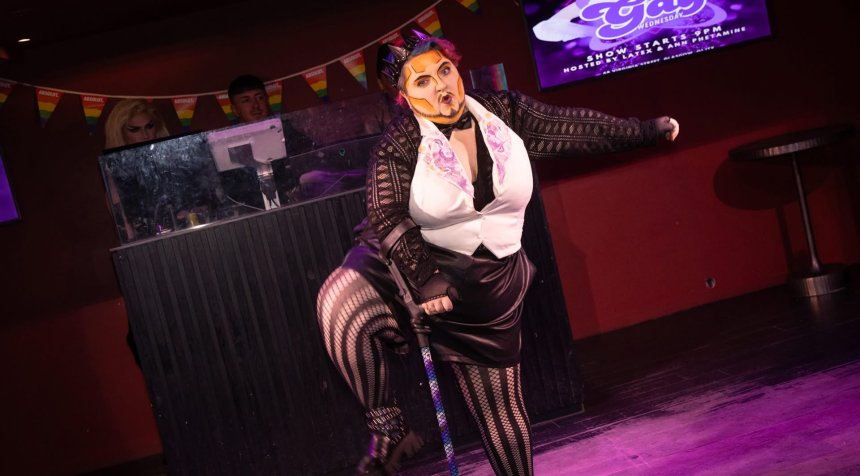
"Drag has become one of the ways I explore my diagnosis"
Photo by Brian Shannow Photography
When Sam Wright performs as Drag King Freddie Ocity, they use their time on stage to explore what it’s like to live with MS and celebrate every part of their identity. This Pride Month, Sam reflects on how the LGBTQ+ community gave them confidence to embrace life with MS and why visibility matters.
My biggest inspirations are the trans activists of the past, like Marsha P. Johnson and Sylvia Rivera. They had such strength and such assurance in themselves that I really admire.
I think about them a lot. They remind me that I am me, this is what I am, and people just have to deal with it!
That self-belief helped me when I was learning about myself as a trans and pansexual person. But when I was diagnosed with relapsing remitting MS in 2023, it knocked me back. I felt like I’d lost my confidence.
I'd spent years learning to love myself and embrace who I was. Suddenly, my identity was changing. I had to leave my job as a nurse because my mobility was affected. I was trying to understand what being disabled meant for me, and I didn't feel like that proud person anymore.
Then I thought about the trans community again. How they – we – have existed in adversity. And it made me realise that I’m part of a community of strong, impressive people. I can follow in their footsteps.
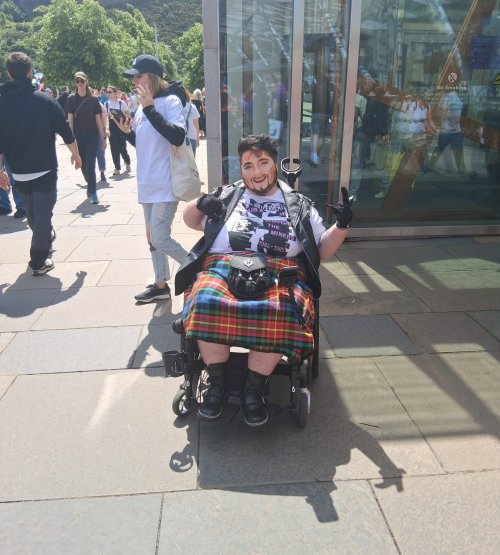
MS is not going to get me down.
Finding my voice through drag
Drag has become one of the ways I explore my diagnosis.
I think a lot of people don't understand MS, so I want to explain it and normalise it. Performing gives me a way to do that.
One of my numbers is Mr Cellophane from Chicago, but I perform it through the lens of living with MS. The song is about feeling invisible. That's exactly how MS has felt for me at times.
I've felt like people are just walking by me without noticing I'm there, even though I'm trying to explain what I'm experiencing.
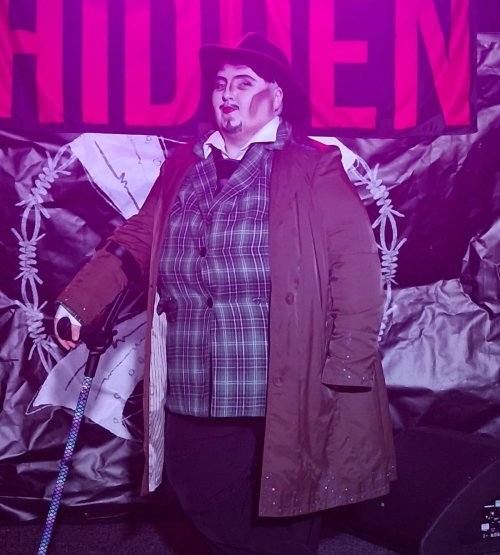
Whether it's talking to healthcare professionals, explaining my symptoms or asking for support, there have been moments where I've felt unseen.
People have come up to me after I’ve done that number and have asked me questions about what it’s like to have MS, so I get to have a conversation with them about it. And they’ve said things like, “I had no idea what it was like.” But now they do. I’ve also had people who are also disabled who have come over and been like, “I’ve felt the exact same way. I’ve had the exact same thoughts. I’ve felt ignored.”
From invisible to defiant
More recently, though, I’ve added more songs to my repertoire.
I have another number called Hostage, and it's much more defiant. I use it to say that I’m not going to be controlled, either by the MS or by other people. Nobody can hold me down or control how I’m going to live my life, whether that’s because of my disability, my gender or my sexuality.
All these parts of my identity are intertwined for me now. Living with MS has shaped me just as much as being trans and pansexual has. They're all part of who I am.
At one performance, I attached a trans flag to one of my spare crutches and used it to fly the flag. It felt very emotional.
Being proud
I also perform I Don't Care Much from Cabaret. It's a song about heartbreak and trying to convince yourself you don't really mind what's happened.
When I perform that song, I use it to riff on my MS. Like, “I didn’t want to walk properly anyway!” It helps me explore a different side of my emotions towards MS. And it feels good to laugh about it!
I don’t think I would have been able to find the courage to get up on stage and perform without being part of the LGBTQ+ community. It’s a source of strength for me. I use our history to move forward.
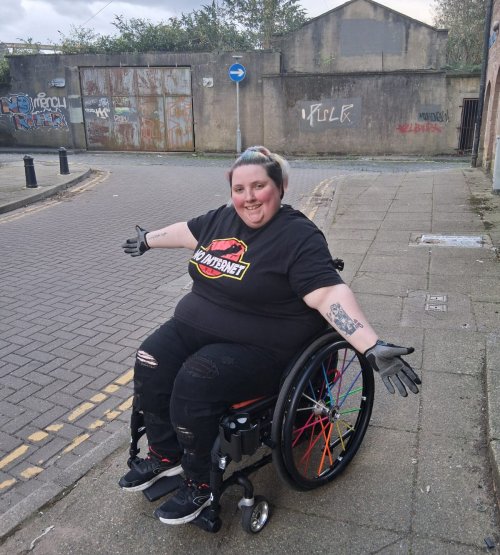
That’s one of the reasons I think being visible at Pride is so important. I want people to see that disabled people don’t just sit inside. We’re able to be colourful and bright: not just in terms of clothing, but in the sense that we can be joyful, strong, and unique.
You may also be interested in


Share your story
Just like MS, every MS story is unique.
We'd love to hear about your MS stories, from diagnosis to how you told loved ones and employers. Maybe you have found an interesting way to manage your symptoms or want to tell us about the challenges you have faced?
We're always on the look out for stories about life with MS to share with the community. So get in touch.
