Timms Review of PIP: What will it mean for people with MS?
The final report from the Timms Review of Personal Independence Payment (PIP) is out. What does that mean for people with MS and what happens next?
On 24 November, Sir Stephen Timms MP, Minister of State for Social Security and Disability, presented the PIP review final report and recommendations to Parliament.
For more than a decade, people with MS have been telling the government that PIP isn't working. Now real change is possible.
The report has found that PIP is no longer fit-for-purpose. It has made recommendations for how the government could change the benefit and assessment process.
Read on to find out more about what the report says. We'll discuss what it means for people with MS and what happens next with our campaign to fix PIP.
What is the Timms Review?
The review started in autumn last year and has been looking at the key issues with PIP. It’s also looked at what changes could be made to ensure it is ‘fair and fit for the future.’
The review has been co-chaired by Sir Stephen Timms MP, the Minister for Social Security and Disability. He's been joined by two other co-chairs, Sharon Brennan and Dr Clenton Farqhuarson CBE. They’ve been leading a steering group made up of disability experts and disabled people with experience of PIP.
What is the final report?
The steering group has heard from disabled people and organisations across the UK. This included a call for evidence which received tens of thousands of responses, several workshops, and other events.
The final report sets out what the steering group think are the key issues with PIP. It also makes several recommendations for how the government could change PIP.
These recommendations are a crucial step towards improving PIP but these are recommendations, not changes to the law. Nothing is changing today. The government will decide what changes are made and we talk more about what’s happening next later on in this article.
What does the final report say?
We're calling on the government to make changes in four policy areas to improve PIP for people with MS. Here’s what the report says about the changes we’re calling for:
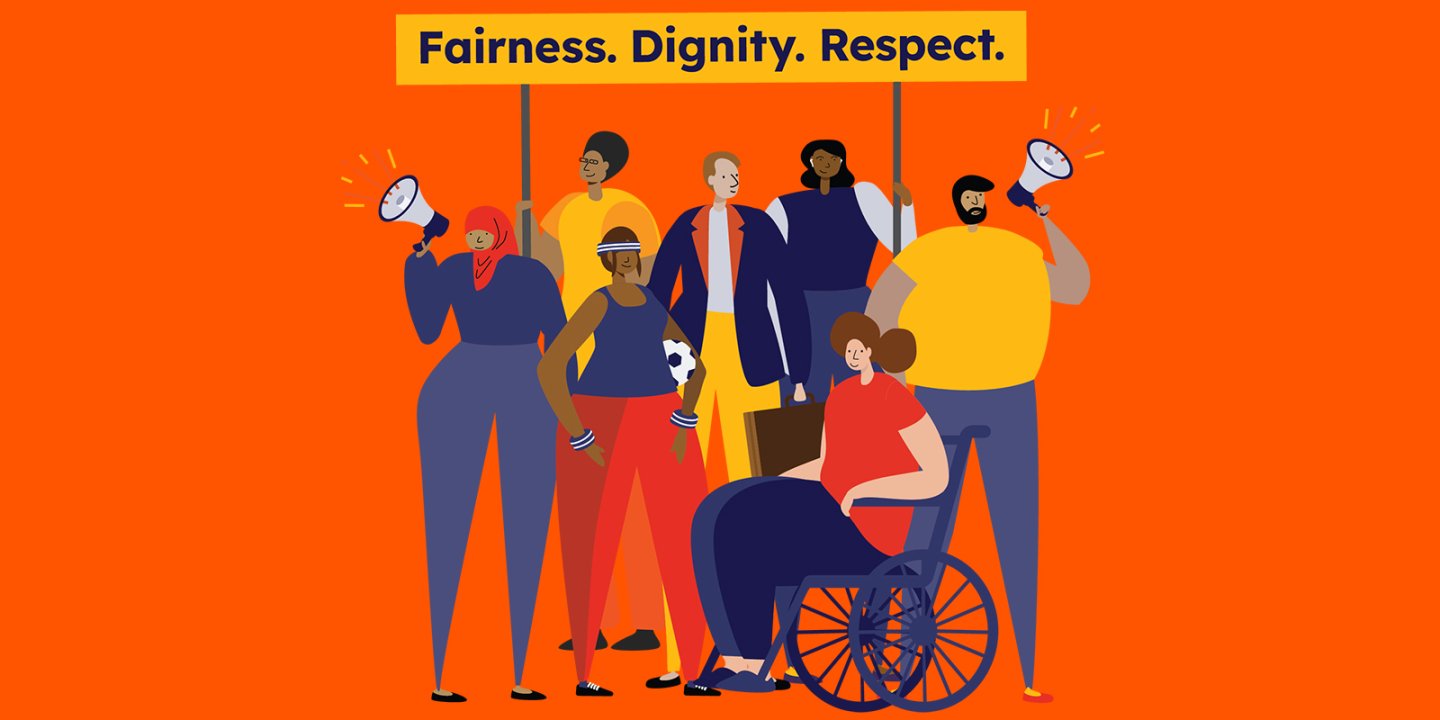
A system based on fairness, dignity and respect
The report says the PIP system needs to be much fairer, and that people should be treated with more dignity and respect.
It says the PIP system should be changed, so it is ‘founded on dignity, choice and control.’ It recommends that the assessment process should be ‘person-centred’. This should include:
- Providing a more accessible, consistent and transparent experience, through improvements to assessor training and auditing.
- Improving how the Department for Work and Pensions (DWP) communicates with disabled people, making sure this is clearer and more respectful.
Improving how fluctuating and invisible symptoms are assessed
It's positive that the report says the government must improve how the PIP process 'assesses and accounts for fluctuating conditions'. The report recommendations include:
- better training for assessors. They must consider the 'impact of fatigue, pain, cumulative impact, recovery time and other factors' on people's ability to do activities reliably.
- assessors no longer asking about 'best and worst' days. They should instead allow people to 'describe and document fluctuations in the way that they experience them.'
- an improved PIP form and guidance for claimants. People should find it easier to explain 'variability, flare-ups, recovery periods and the cumulative impact of their condition.'
If these changes don't result in a positive impact on the process, the report recommends the government review the 50% rule. This rule is currently used to assess fluctuation.
Ending unnecessary reassessments
We’re pleased the report has backed our call for ending unnecessary reassessments for people with lifelong conditions like MS. The recommendations include:
- people with these types of conditions being given 'ongoing or indefinite awards'. Instead they should have a light touch 'check-in after an agreed period to understand if their needs have changed.
- people still being able to request a reassessment if their needs have changed.
In his statement to Parliament presenting the report, Minister Timms confirmed that the government would take forward this change to reassessments.
Improving how mobility is assessed
The report doesn’t say anything about how mobility should be better assessed. And it doesn’t say the 20-metre rule should be removed. This is disappointing and we will continue to campaign for this change.
However, we hope that the suggested changes for how fluctuating symptoms are considered could have a positive impact on how mobility is assessed.
Other key areas
There are also some other key things the report recommends that may have an impact on the MS community, if those changes are made. These include:
- improving ‘processes for gathering, sharing and considering’ people’s evidence in the PIP assessment process.
- people being able to access non-cash support, like services. This could include referrals to the NHS or social care, or accessing schemes similar to Motability. However, the report doesn’t give much information on what these services could be. It also makes clear in the recommendation that they should be optional to access. This means, it’s not been recommended to change PIP from being a cash payment.
- an ‘impact assessment’ which should use an ‘improved set of questions to understand the extra costs a person faces.’ But the report says that people should not be asked about what they spend on, and not expected to provide receipts. And this approach should consider costs that people aren’t currently able to meet.
Our view on the final report and recommendations
Ross Barrett, our Senior Policy Manager says:
For too long, people with MS have faced a broken PIP system. They've been left feeling unseen, unheard and forced to fight for the support they need.
Today, people with MS have finally been listened to. MS is debilitating, exhausting and unpredictable. The Timms Review's proposed changes would tackle some of the most significant issues. And improve the process for people with fluctuating, progressive and incurable conditions.
If put in place, these vital changes would improve how fluctuating symptoms are assessed and reduce stressful and unnecessary reassessments. As well as make the system fairer and more compassionate for all.
Now is the biggest opportunity to fix PIP since it was introduced, and create a welfare system based on fairness, dignity and respect. The government must have the moral conviction to take this opportunity and implement these positive recommendations as soon as possible.
What happens next?
In the coming weeks, the government will respond to the review. In their response, they're likely to say what changes they plan to make to PIP. We’re not sure yet when this response will be, but it could be in late 2026 or early 2027.
The government will then publish a White Paper in 2027. The White Paper will set out the plans they want to take forward. As well as any legislation that will have to pass through Parliament. This will be how the government will make changes to PIP.
But nothing about PIP has changed yet. If you get PIP now, your award and the rules you're assessed under stay the same. And if you’re in the process of applying or being reassessed for PIP, nothing is changing today.
Our campaign to fix PIP
So far, more than 17,000 people have joined together to call on the government to fix PIP.
We’re campaigning for PIP to be built on fairness, dignity and respect. And calling for a PIP process that better reflects the reality of living with MS.
The Timms Review recommendations are an important milestone in our campaign to fix PIP. But this isn’t the finish line.
Our petition to fix PIP
As the government get together and read over the details of the Review’s report, we want them to be thinking about people with MS. About the negative impact the PIP process has on people’s wellbeing. And about how they have the power and opportunity to change PIP for the better.
We need to keep the pressure on the government to make the positive changes the Timms Review has proposed.
By adding your name to our petition, you’ll join over 17,000 people doing just that.
Sign the petition to improve PIP
Already signed the petition?
If you’ve already joined the campaign, you can still help to keep the campaign going by sharing our petition with family and friends. The more people who add their voice, the harder our message is to ignore as the government decides what to do next.
Now is the biggest opportunity to fix PIP since it was introduced. Let's make sure the government take it.


