How can we use lived experiences to make MS services more inclusive?
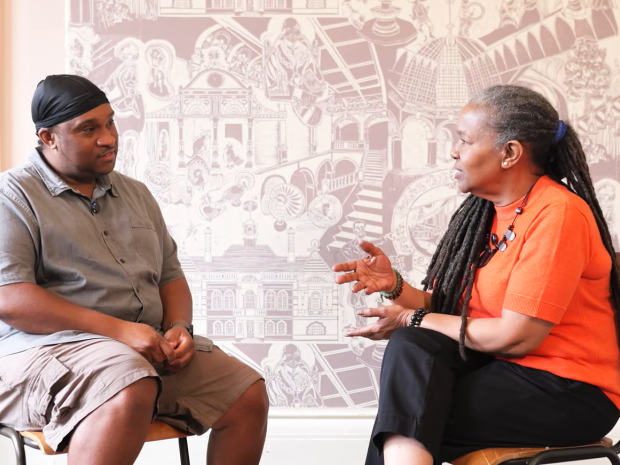
When researching and creating MS services, we need to involve people affected by MS. We spoke to Dr Alison Thomson and Francine Parker about their work to improve MS services for people from minoritised ethnic backgrounds.
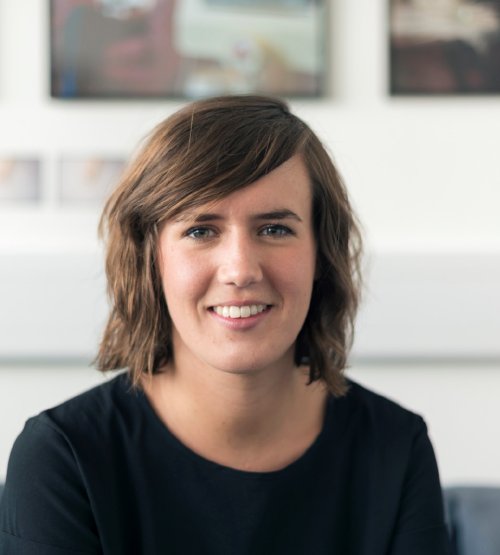
Dr Alison Thomson, principal investigator
We know people from minoritised ethnic groups face inequalities when accessing MS services. We also know they've been systematically excluded from research.
We want to know what barriers and challenges people experience when accessing treatment and support for their MS. And to create tangible plans of how we can improve MS services, including healthcare, information provision and research. We want to make them more accessible and useful for people from minoritised ethnic backgrounds.
Involving people affected by MS
We worked with people with lived experience of MS at all stages of the project. It wasn't just about asking them our research questions. Instead, we worked with them to decide which questions to ask and how to ask them.
As researchers and healthcare professionals, we only have our own individual experiences. We need to learn from the people who are actually using our services.
Our recommendations
This has been an amazing project, and it's been incredibly rewarding to work with our peer researchers. Based on the information we gathered, we've published recommendations on how we can provide better, more inclusive services. For example:
- When organising events, information providers should plan for cultural and practical access needs. For example, dietary and prayer needs, religious calendars, timing and accessible venues.
- Healthcare professionals should improve culturally relevant signposting. For example, local and national MS support options, including smaller peer networks and culturally specific groups.
- Researchers should work with people affected by MS across the whole research process, including shaping questions, and interpreting and sharing findings.
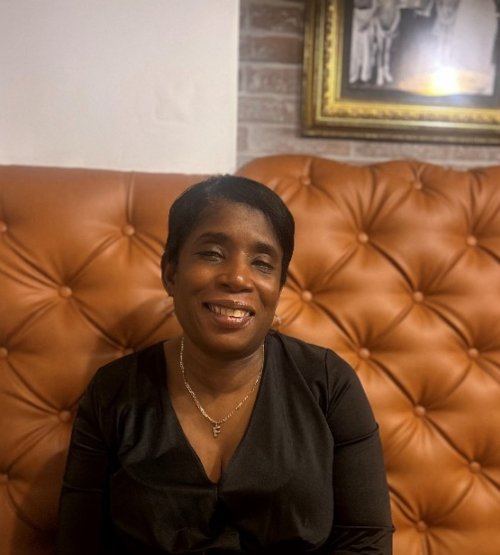
Francine Parker, peer researcher
I was diagnosed with MS nearly 29 years ago. It was very difficult when I was first diagnosed. I wasn't taken seriously, I was given wrong information, and I felt there was no representation of people who looked like me.
Things have slowly started to change, but many people are still not accessing the services and information they need. This is especially true for people from minoritised backgrounds. It's so important that we listen to patients and don't make assumptions based on race, cultural background or age.
Sharing my expertise
I was initially invited to become a peer researcher by my MS nurse. Being a peer researcher means I can use my lived experiences to shape research. I didn't have any previous experience working in research. But I received a lot of training and support from Alison and her team. I interviewed four people with MS from Black and South Asian backgrounds about their experiences with MS services. I was also involved in many other parts of the project, such as workshops and writing an article for a scientific journal.
Get involved!
If you're interested in getting involved in research, give it a go. I'd do it again in a heartbeat. It brought so much meaning to me and has opened many more doors. For example, I'm now taking part in other research projects as well. And we recently won an award for our work.


