4 discoveries made using MS trial data
The main goal of a clinical trial is to find out if a treatment is safe and works well. But along the way, researchers also discover more about MS itself. This helps improve overall understanding of the condition and paves the way for new discoveries.
B cells are important
In 2008, the Hermes trial investigated a drug called rituximab. It was the first trial that showed B cells are important in MS. Rituximab works by removing certain B cells from the immune system. In the trial, people with MS who took rituximab had fewer relapses and fewer signs of new damage on their MRI scans. This was the first clear evidence that B cells play a key role in MS.
These findings have led to the development of other B-cell-targeting treatments for MS, like ocrelizumab and ofatumumab.
Spotting new patterns in MRI
In 2024, MS-STAT2 trial results showed that simvastatin is not an effective treatment for secondary progressive MS. This was disappointing news for many people. But the trial increased our understanding of the biology of progressive MS.
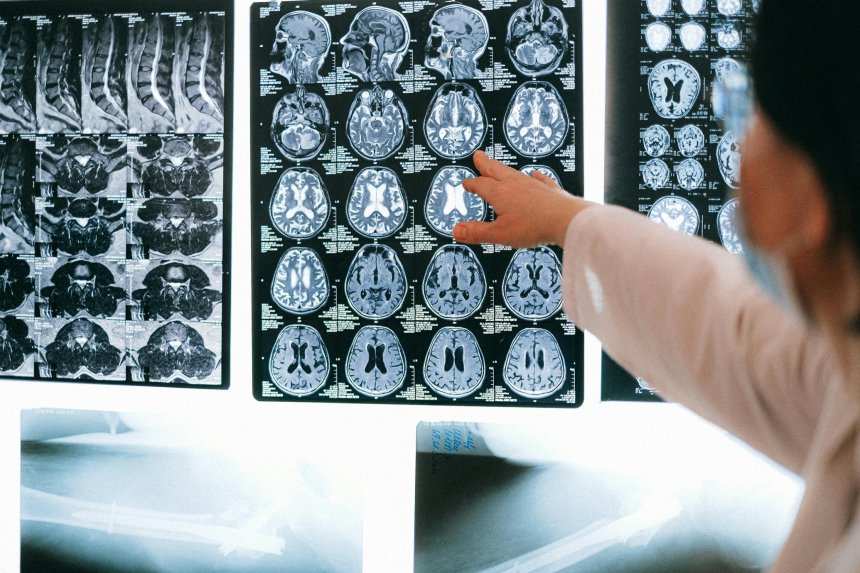
For example, researchers used artificial intelligence to analyse thousands of MRI brain scans from different trials and studies, including the MS-STAT2 trial. This huge dataset has allowed the AI to identify different subtypes of MS based on where the brain changes are and how they evolve over time.
By analysing so many brain scans alongside clinical data, the AI was also able to predict how people with these different subtypes are likely to progress – and even how they may respond to treatment.
More research is still needed, but the researchers think this could one day change the way we talk about the distinction between relapsing and progressive MS.
Connection between risk factors for heart health and brain volume
In 2023, researchers used data from our MS-STAT2 trial to look at the connection between heart and vessel health and MS. They looked at brain volume from MRI scans, physical disability and things like memory and learning. The researchers then used a score based on modifiable risk factors to measure people’s cardiovascular risk. These are things that can be changed, like blood pressure, BMI and whether you smoke.
The researchers found your likelihood to experience an event related to heart and blood vessel problems was linked to:
- Smaller brain volume
- Poorer verbal working memory – this is how well you can temporarily store verbal information, for example remembering a phone number for long enough to put it in your phone.
The study supports a growing body of evidence that suggests the health of your heart and blood vessels could play an important role in MS outcomes. And it shows how people could modify their lifestyle to help lower their risk.
Paving the way for Octopus
The MS-STAT2 trial also highlighted the ability of the UK MS community to deliver high-quality, large-scale clinical trials. It set the groundwork for future clinical trials in progressive MS, including Octopus – our first-of-its-kind trial for progressive MS. For example, MS-STAT2 set up a network of sites that could help deliver large-scale trials for progressive MS. These trials are helping us transform the way we test treatments for progressive MS. Ultimately, they could help us deliver life-changing new treatments for people with progressive MS faster.
Discoveries like these are only possible because of the incredible support for our Stop MS Appeal - helping us uncover new insights, improve treatments and bring us closer to stopping MS for good.
You may also be interested in