Researchers identify a new cell type that may drive progressive MS
Researchers from our Cambridge Centre of Excellence have made a discovery that could lead to new ways to treat MS progression. They’ve identified an unusual type of brain cell that seems to actively fuel the slow, ongoing inflammation and nerve damage seen with the condition.
The discovery helps explain a key mechanism behind progressive MS and highlights a promising new target for developing much needed therapies.
Read the full paper in the journal Neuron
Progressive MS in a dish
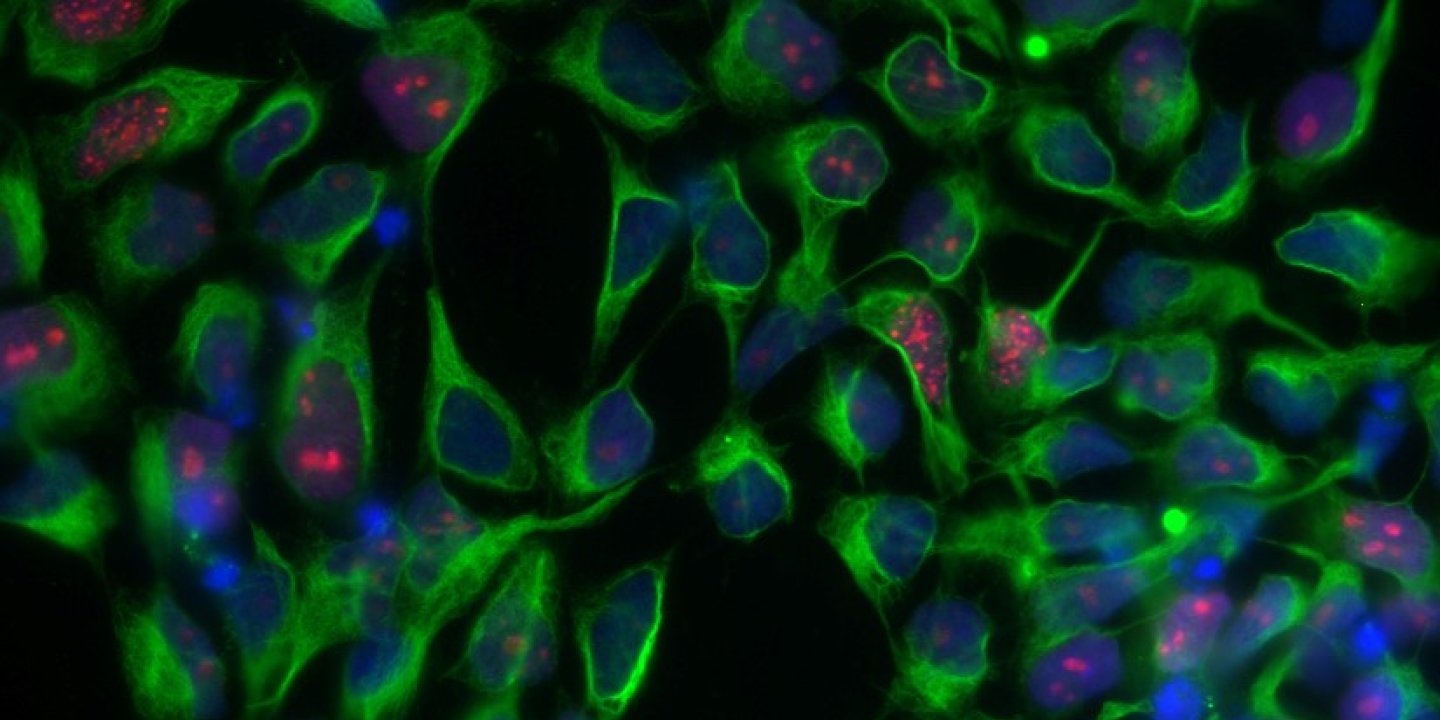
Working with researchers from the US, the Cambridge team used a new method to study progressive MS in a dish in the lab. They took skin cells from people with progressive MS and reprogrammed them into early-stage brain cells. Importantly, these cells kept the memory of their age and MS history, so the team could study which cells drive progressive MS and how they do it.
The team noticed some of the reprogrammed brain cells transformed into an unusual cell type known as ‘radial glia-like cells’. These cells act like the stem cells in the developing brain, providing structural support and acting as building blocks. They appeared six times more often in the dishes of cells taken from people with progressive MS than those from healthy people. So the team called them ‘disease-associated radial glia-like cells’ or ‘DARGs’.
While these DARGs look like young brain cells, the team discovered that they have prematurely aged, but they haven’t died. Instead, they linger and actively cause damage. They do this by releasing signals that cause inflammation and premature ageing in nearby healthy brain cells.
A promising new therapeutic target
When the researchers treated the dishes with a drug designed to remove these prematurely-aged cells, the surrounding cells stopped showing signs of damage.
The team confirmed their findings using brain tissue donated by people who had progressive MS. They found DARGs in regions of ongoing damage in people with MS.
Professor Stefano Pluchino from the University of Cambridge, who co-led the study, said: “Essentially, what we’ve discovered are glial cells that don’t just malfunction – they actively spread damage. They release inflammatory signals that push nearby brain cells to age prematurely, fuelling a toxic environment that accelerates neurodegeneration.”

What’s next?
The researchers now want to understand how DARGs affect other brain cells, like neurons and immune cells, to learn more about their role in MS progression. They also plan to test potential new treatments that could either fix or get rid of these cells. This has the potential to lead to the development of much needed disease modifying therapies for people with progressive MS.
What does this mean for people with MS?
This discovery identifies a new mechanism that appears to drive the slow, ongoing damage in progressive MS. This is early-stage research, but it could offer a completely new target for developing vital treatments that could stop or slow down progression.
Professor Pluchino said: “Progressive MS is a truly devastating condition, and effective treatments remain elusive. Our research has revealed a previously unappreciated cellular mechanism that appears central to the chronic inflammation and neurodegeneration driving the progressive phase of the disease.”
You may also be interested in