Thriving not surviving: A right to Neuro Rehab
People with MS deserve the chance to thrive, not merely survive. But access to the neurorehabilitation they need is a postcode lottery. Together with other leading charities and workforce organisations we're demanding change.
The fact that I'm still going basically is due to the services I've had... I've been lucky not all my friends have. Everyone deserves to get the support they need when they need it, to live a good life, whatever that means to them.
Person with MS
Rehabilitation isn’t accessible to all
Only one in three people with neurological conditions report their healthcare needs are being met.
Two people with the same condition can face vastly different outcomes depending on where they live. One person may be able to access rehabilitation quickly and maintain their independence. Another may wait months - or be unable to access services at all.
There’s a gap between what people need and what they can access. And this gap leads to people’s health declining, even when it’s preventable.
Waiting lists for community neurorehabilitation in England have grown by 52% since November 2022. Some people wait over a year just for initial assessment. By which time their condition deteriorates and opportunities for early intervention are lost.
The cost of these delays
The human cost is immeasurable. People sometimes have to end their careers early. They lose their independence unnecessarily. And sometimes their mental health declines without adequate psychological support.
From the My Neuro Survey 2024/25, over 10,000 people with neurological conditions across the UK reported:
- almost 7 in 10 who needed neuropsychiatry couldn't access it
- over 6 in 10 couldn't access neuropsychology
- more than half who needed pain services or outpatient neurorehabilitation were unable to get them
For people with MS specifically:
- 41% described having no one to talk to about their mental health
- 76% said MS impacted their ability to work or study
- one in seven had an unplanned hospital admission in 2023-24 - many preventable with timely community support
What we're calling for
We've published a UK-wide consensus statement endorsed by neurological charities and workforce partners, setting out what needs to change.
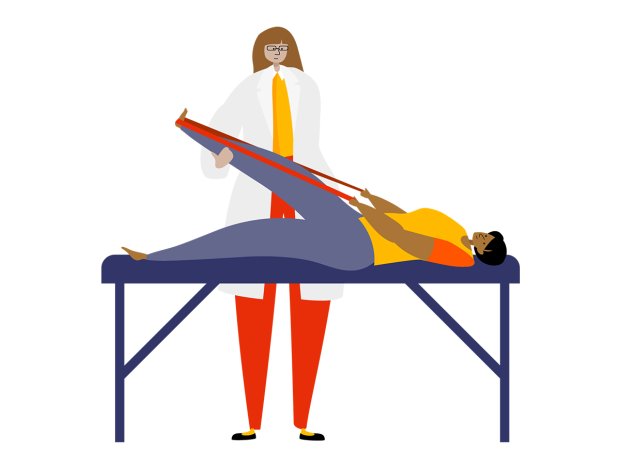
Neurorehabilitation helps people maintain function, adapt to change, and preserve quality of life. It includes physiotherapy and occupational therapy to maintain mobility, speech and language therapy, psychological and cognitive support. And help managing symptoms like fatigue and pain, and coordinated care bringing it all together.
But access to this essential support remains a postcode lottery.
Our ten key principles
We're calling on all UK governments and commissioners to implement our asks.
Everyone with a progressive neurological condition has the right to timely, patient-centred neurorehabilitation - regardless of postcode, ability to pay, or diagnosis.
We want care to be delivered in the community where people need it most.
Community neurorehabilitation teams need to be embedded in neighbourhood health services.
To support mental health, we need to:
- make mental health and cognitive support core
- address depression, anxiety, cognitive changes and emotional distress as routine care
- ensure people can access neuropsychological expertise without being excluded based on a diagnosis
We need more training and more rehabilitation staff in the workforce to meet need.
We need more:
- physiotherapists
- occupational therapists
- speech and language therapists
- neuropsychologists
- rehabilitation physicians
We need evidence-based standards to be consistently in place across all areas. And not just where local leadership is strong.
We need healthcare to meet the following standards:
- Optimum Care Pathways
- NICE guidance
- The General Standards for Neurological Support
We want people to be supported to remain in or return to work, education, and community life.
We can support independence by:
- helping people to work
- helping people to remain in or return to work and education
- helping people to remain part of community life where they want to
- preventing careers from ending prematurely
- preventing people from losing their independence unnecessarily
There should be comprehensive neurology plans. With targets we can measure.
Each UK nation must publish comprehensive neurology plans with measurable targets and annual public reporting on progress.
We need services designed with, not just for, people with neurological conditions.
Services should be designed with people, not for them. We should ensure that people with lived experience are at the heart of service design. And that services are co-produced, not just consulted on.
We need people living with MS to be supported by a named professional coordinating their care. And can act as their single point of contact.
We need health systems to measure delivery and take action where care falls short.
Health systems should be:
- monitoring delivery
- routinely measuring delivery against national guidance
- publishing transparent data on waiting times and outcomes
- taking corrective action where care falls short
A UK-wide consensus
This short report is endorsed by neurological charities and workforce partners across the UK. People with progressive neurological conditions deserve the chance to thrive, not merely survive.


