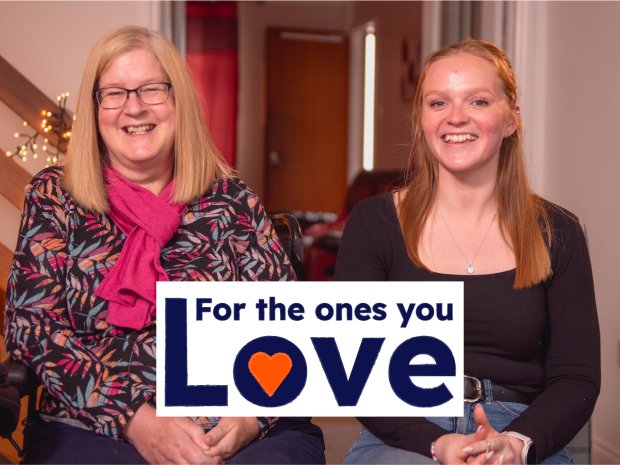
We’re mum and daughter both living with MS
Moira, 60, and her daughter Nicola, 28, both live with multiple sclerosis (MS). This Christmas, they’re sharing their stories of diagnosis and hope across the generations.
Moira’s MS story
My MS has slowly progressed over the years. This is the first year I’ve not been able to write my own Christmas cards. I used to write hundreds, but my hand has got worse. I’m struggling with that. In the past, I’d have decorations up everywhere. Now, the kids put the decorations up. And there’s not nearly enough, as far as I’m concerned…
Nicola: There’s enough! Mum kind of directs (dictates) where certain decorations must go. If we put it in the wrong place, we’re quickly told…
It's all the wee things that I can't do anymore. I still love Christmas. But if I could I would go completely OTT!
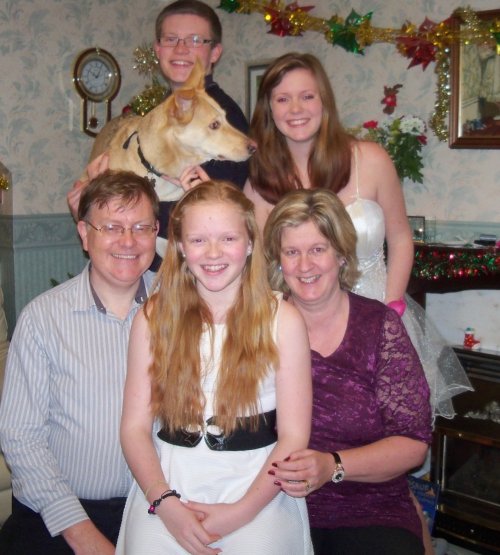
Moira: I was diagnosed with MS back in 2008, when Nicola was 10 and her sister Catriona was 13 and brother Andrew was 15. It was the morning before we were going on a family holiday to Florida. I woke up and my eye was turned the wrong way. I went to the doctors, they sent me straight down to the hospital and I had various tests.
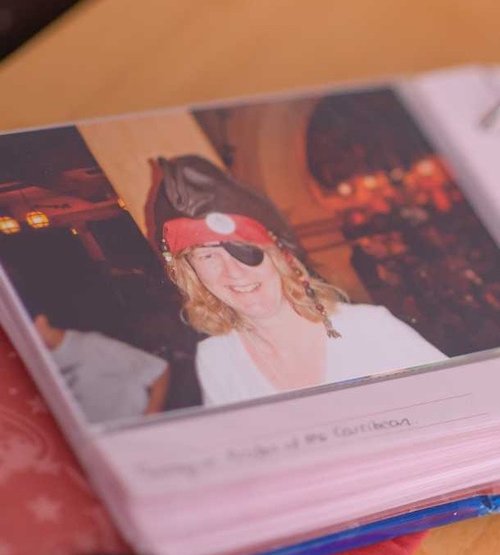
They told me it wasn’t a brain tumour or a stroke, so I should go and enjoy my holiday. I had to wear an eye patch. So the family took me on the Pirates of the Caribbean ride. And put a Pirates of the Caribbean hat on me.
Humour is the way we cope as a family
Moira: We came back and I had an MRI scan, and then I went to the doctor's for the results. And the doctor said, "Well, you've got MS."
It wasn’t a very nice way to find out. I didn’t get any treatment for quite a few years and during that time my walking got worse. Then I had a massive relapse, and after that I started a disease modifying therapy (DMT). But my mobility kept deteriorating.
I needed to use a wheelchair more and more, and I’ve been using it full time since around 2020. And now my MS is secondary progressive. If I didn't use a wheelchair I'd be in bed 24/7 because my legs can't take any weight at all.
I can't do any housework. You know, it’s really sad, but I miss hanging the washing out on the line.
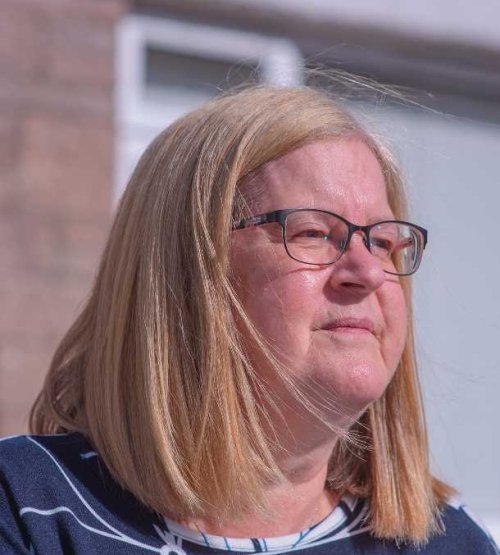
I get so frustrated with not being able to do things myself. We've got a new granddaughter, and I'll need help to cuddle her.
Nicola: But Mum will still be a fun gran. She’ll be turbo gran because of the wheelchair!
Moira: Yes, I want to be turbo gran!
Nicola: MS has affected all of us for a long time. It affects my Dad, because he’s Mum's carer. It affects me and my siblings. As a teenager, I did more and more to help around the house - I was a young carer. And then it affects my aunts, my uncles, my mum's friends that we call aunts….Like Mum can't get into their houses, so they always come here.
We all love Mum. And we want to make sure she's still a part of our life, and can have a full life. So that's how MS has affected our family over the years.
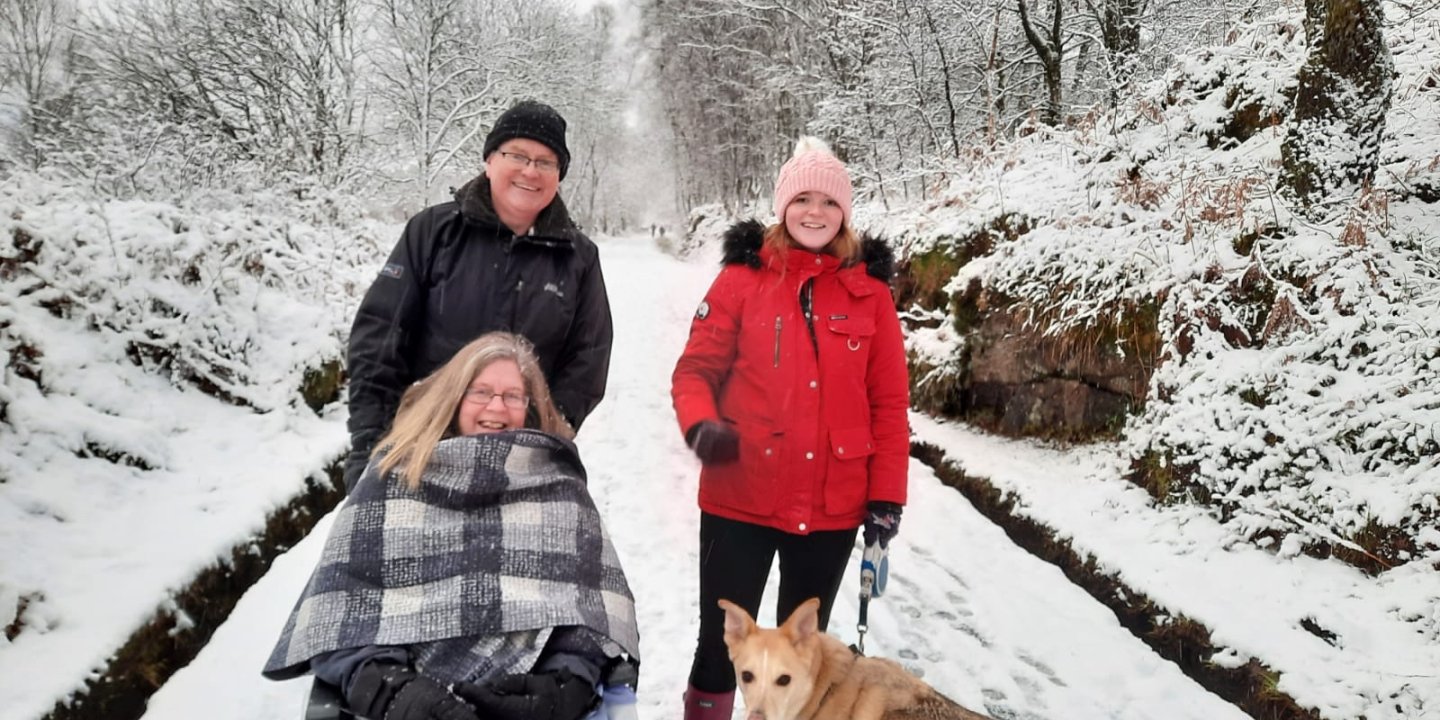
And now you can add me into that as well. With my MS diagnosis.
Nicola’s MS story
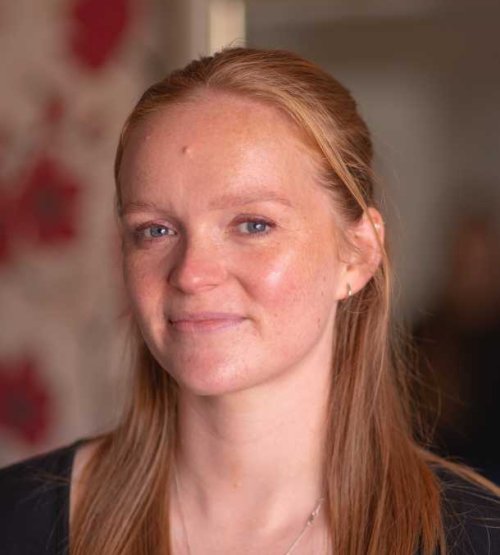
I was diagnosed four years ago, aged 24. I know Mum feels awful about my diagnosis. But I don’t want her to feel bad. She shouldn’t feel guilty. It’s not directly passed on like that.
Moira: I did feel guilty. I was so sorry for her, because at the time I thought my experience was her future.
I was just so upset for her, thinking she's going to have the same life that I have now.
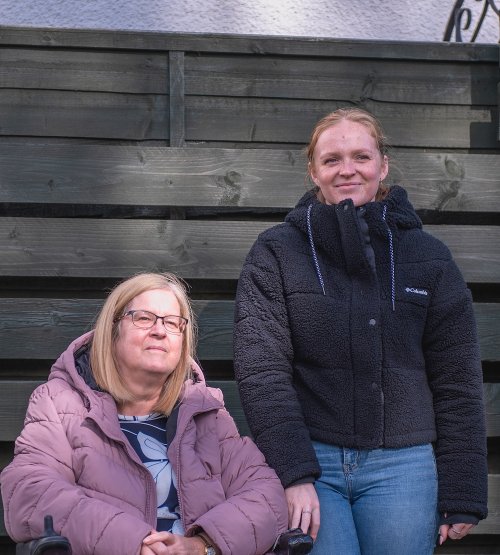
Nicola: When I was diagnosed, all I knew about MS was Mum’s experience. It even started out the same way: I woke up one morning and I couldn’t see out of my left eye. When I got the official diagnosis, Mum was sitting beside me in her wheelchair. I remember looking at her and thinking, that’s going to be me. It was like my whole world had gone up in flames.
I expected that I was going to deteriorate like my mum, her mobility worsening, not being able to do things around the house.
But my consultant was so supportive and passionate about what had changed. He explained that research has been really positive and really powerful. Within months I’d started a treatment, and it’s been a very positive experience for me.
Moira: It’s just been night and day compared to my experience. It took me so long to go on a treatment. It was absolutely brilliant when Nicola got one so quickly. Four years on, her treatment is working, and I’m hopeful that she’s not going to have my life.
It was kind of a strange feeling, to be put on something while knowing my mum didn’t have that option.
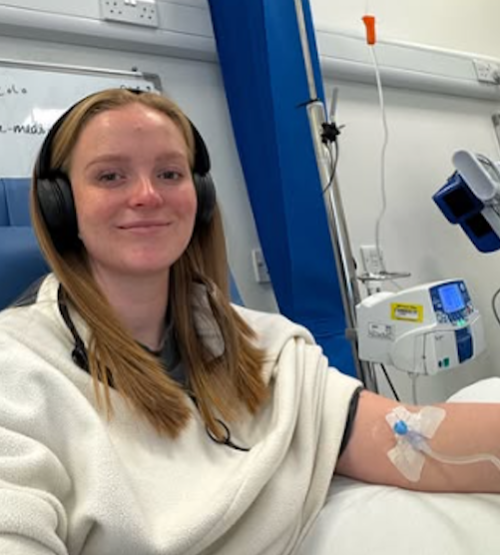
Nicola: It wasn’t for a couple of years that I stopped thinking that my MS would be like Mum’s. But after MRI scans showed no new lesions, I thought it might not go that way. There’s always some uncertainty though. It’s working well now, but I don’t know in 10, 20 years, how it will be. But I'm more hopeful. If you were to ask me a couple of years ago - no. But now I'm more hopeful.
Moira: We did have a lot of bad times when she first got her diagnosis, we both struggled. I’m just so proud of the way she's dealt with it. I'm hoping that Nicola's MS will stay the way it is just now, just on the back burner.
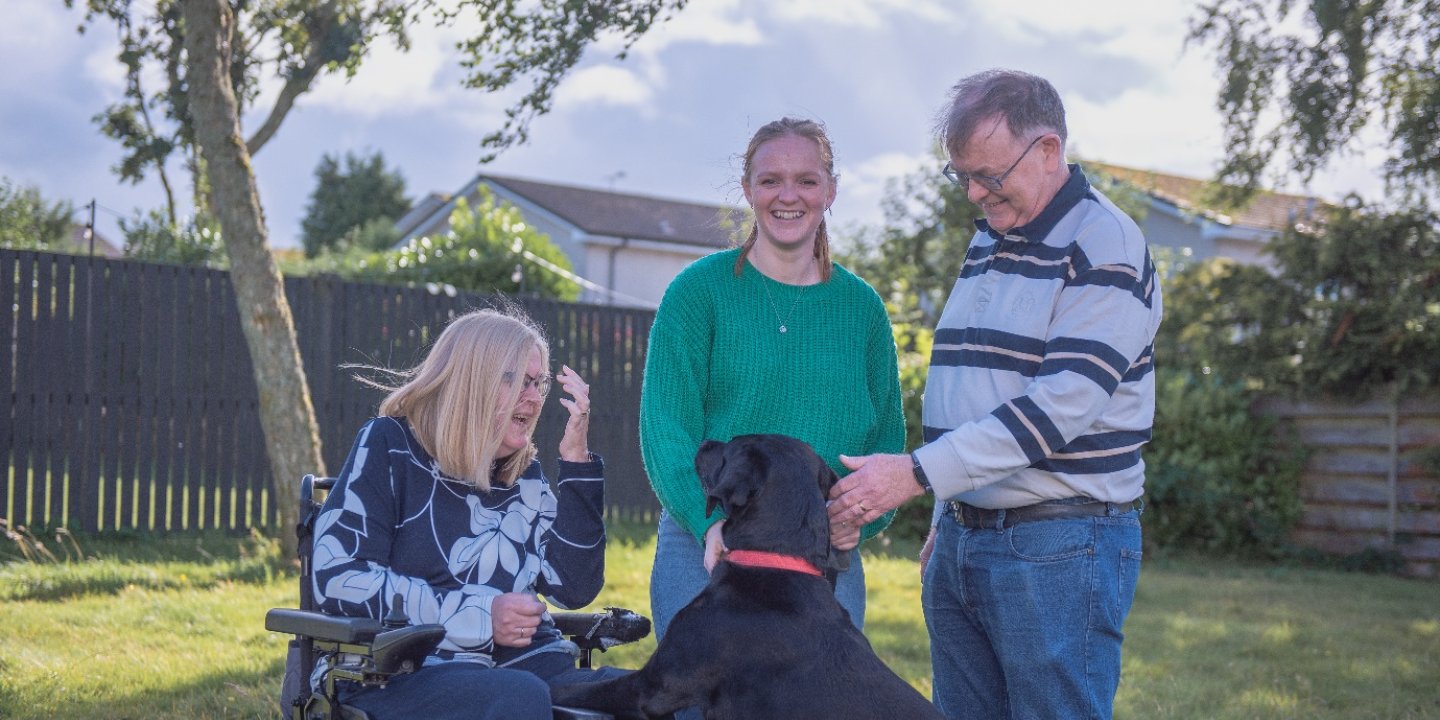
Nicola: For a long time after my diagnosis, I didn’t want to tell my story. It still felt like my mum’s story. But now it’s important for me to share it. Because I’ve met people who’ve been diagnosed with MS and felt like their whole world was going to crumble. But I’ve helped them challenge that thought.
Why raising money for MS research is important for us
Nicola: For so long my life has revolved around MS, whether my mum’s or mine. It would be amazing if one day MS didn't exist and people could live their lives without it. That’s the dream and it’s only possible if research continues and people keep donating.
Moira: Look how far we've come in our lifetimes. I would love folk to just carry on donating because every bit of money does make a huge difference. I hope that treatment and further research means Nicola can have as normal a life as possible. Living well with MS, not being controlled by it.
For the ones you love now. For the ones you may love tomorrow. Please, give to MS research today.
You may also be interested in


MS changes lives. So does research.
Donate today, and together we will create a world free from MS.