MS Letters: Hello to my younger self
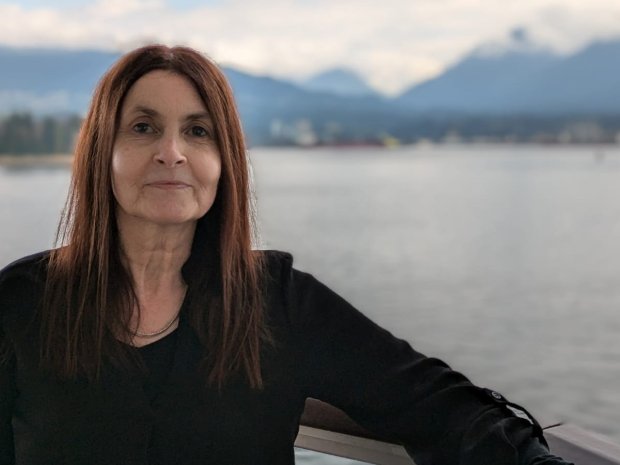
Vikki was diagnosed with multiple sclerosis (MS) eight years ago. In that time, she’s learned to live with the condition, trust the science and find new ways to look after herself.
Vikki, for a couple of months, you’ll notice something new - the very tips of two toes will start to feel different. And it’ll feel like there’s a really tight band wrapped around your leg above the knee. You’ll have a funny feeling there’s a neurological explanation.
Then, you’ll catch a virus, and your symptoms will get worse. You’ll feel extremely fatigued and confused. Later, you'll notice MS relapses feel like this, and that'll lead to your diagnosis.
Eight years later, that band is still 'wrapped’ around your leg 24/7, and the area it covers has grown. But you’ll get used to it and find it annoying rather than painful.
A diagnosis that changes everything
I can understand now that some folk might be relieved at receiving a diagnosis. But for you, receiving news that you have a progressive, lifelong condition will be life-changing.
At first, you’ll feel like there’s nothing good coming from this. But, with time, the right support, and a positive mindset, your MS diagnosis will oddly enable you to make positive changes to your life. It will change your attitude, sharpen your self-awareness and help you develop a renewed sense of priority and purpose.
Balancing Googling and worrying
At first, you’ll be full of questions and concerns. But you’ll learn quickly not to trawl through random Google searches, as the results will be overwhelming.
Instead, you’ll begin to use informed sites, like the MS Society, Shift.ms or hospital and NHS sites. You’ll give yourself permission to have “worry time”. 25 minutes a day to research, investigate, think about your MS, and work out who and how you would like to talk to about it.
You’ll come to realise the impact that stress can have on your MS. Scheduling “worry time” will give you a chance to experience your fears and feelings and keep them contained so they don’t take over your life.
And you’ll realise how far science has come! Even in the years since your diagnosis, the landscape for MS, especially treatments, has advanced rapidly.
The world today is a whole lot brighter for people living with MS.
Sisters supporting each other
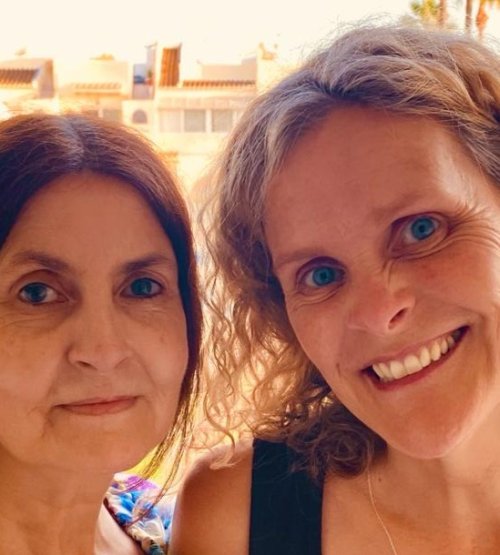
This is good news not just for you, but also for your younger sister Zoë. Unusually, she’ll be diagnosed with MS around the same time as you. She has primary progressive MS, you have relapsing, and your journeys with MS will be quite different.
Zoë will understand how you feel, and you’ll support each other while living your own lives. Sometimes you’ll talk with her about your symptoms, but you’ll both try to minimise the impact of MS on your lives. You both have supportive families and husbands who will adapt their own lifestyles and working lives, too.
When Zoë first gets a treatment, you’ll feel elated, and a huge sense of relief that she’ll have the same chance to fight the condition that you have.
And when you see her taking part in the MS Society’s campaign, you’ll feel so proud. This will take her outside of her comfort zone, and you’ll know she’s doing it for the ‘greater good’ for all of us.
Learning to trust the science
On your own MS journey, you’ll want to find answers. You’ll ask doctors lots of questions about how you might be affected in the future. The hard truth is that no one can say for certain how your MS will progress, as no two cases are the same. But you’ll learn to trust the science.
Starting treatment will help you feel better. You won’t really understand how the medication works, but you’ll build a relationship with your MS team. You’ll ask them to explain your MRI results and how different disease modifying therapies (DMTs) might help your MS. And you’ll start doing as much as you can to help yourself, too. Slowly, you’ll turn your attention to seeking a greater sense of balance in life, through diet, sleep, and reducing anything that could cause you stress. This includes your work hours!
Adapting to a new lifestyle
Your biggest challenge, young Vikki, will come later.
When mobility changes make long walks harder, you’ll find that frustrating. You’ll put on weight, and it’ll take determination and trial-and-error to find what works for you to feel healthy again.
Eventually, you’ll find the right routine that works for you, like shorter workouts at home 20 minutes a day – a new approach that helps you feel stronger.
The physical results will feel satisfying, but more than that, it’ll remind you that having MS doesn't mean that you can't have or achieve the same things that other people do. It just means finding different routes sometimes and being creative along the way!
Becoming your own advocate
An important skill you’ll grow from the day you’re diagnosed, is becoming your own advocate. You’re so blessed to be surrounded by loving family and friends. But they aren't in your body. No one else will be able to explain your symptoms to the MS nurse or know how much you’re able to do (or not do) each day.
That's why it's important to take the time to get to know yourself.
Listen to your body. Should this be a PJ and sofa day, or would a spell outside in the fresh air do you good? You’ll learn to check in with yourself, to plan for stressful moments, and to make time for small comforts, like your favourite chocolate or confiding in someone.
You do not need to prove yourself. Give yourself permission to recognise that you're dealing with a lot.
You didn't ask for this diagnosis, so don't feel guilty about making life sweeter for yourself. You know what's good for you, what you need, and what you deserve!
Remember, it’s your body, your MS, your feelings, and your choice.
Love from Me x
Every MS Letter tells a story. Help us write the end.
Vikki's letter is real. So is the impact you can make by donating to help fund vital MS research.
You may also be interested in


It's time to write the end of MS
Donate today and help turn world-leading research into life-changing treatments.