Adapting how I observe Ramadan after my MS diagnosis
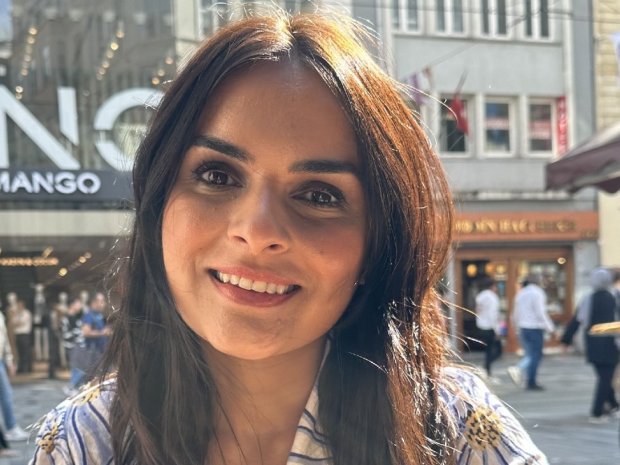
Hey guys, I’m 33-year-old Aansah from Sheffield. Join me as I share my experience as a Muslim with MS observing Ramadan.
My MS diagnosis
I experienced my first MS relapse in June 2019, leading to a relapsing remitting MS diagnosis later that year. I was 27 years old. My first thoughts? “Okay, so what even is MS and what does this mean for me?”
I didn’t know a single thing about multiple sclerosis - I don’t even think I’d heard of it. So there was a lot to learn, absorb and adapt to. Soon after diagnosis my treatment for MS started and for the first four years I was on the disease modifying therapy (DMT) Tysabri (natalizumab). However, despite four years of steady MRI scans, my neurologist and I decided to try a new DMT to slow the progression of my MS symptoms.
Although I was initially diagnosed with relapsing remitting MS, my neurologist does feel that my current symptoms are progressive. So I’ve been on Mayzent (siponimod) for the last two years, which is going well.
Adapting to the unpredictability of MS
When the pandemic hit, I started working from home which definitely impacted my MS symptoms. Initially, working from home was great and super convenient, but as time went on, I felt quite secluded. My physical activity took quite a hit as I was no longer walking as much as I used to when in the office.
The stress and mental toll unfortunately made my symptoms worse. It was just a vicious cycle – I knew minimising stress could help prevent my symptoms worsening. But I just couldn’t help getting stressed when it felt like my independence was slipping from my hands.
I’ve learnt that MS is extremely unpredictable. With the right support, and over six years after my diagnosis, I’m still learning to adapt to this.
The key symptoms I experience are severe weakness in my limbs, fatigue, spasms and spasticity. All of which have caused me to lose mobility and need to use a wheelchair as well as other mobility aids. But I’m working closely with health professionals to manage my symptoms as best as possible and hopefully to be able to walk again!
Adapting how I observe Ramadan
One of the things that looks different for me now is the holy month of Ramadan. A sacred month and one of the 5 pillars of Islam, where Muslims around the world come together and fast from dawn until dusk for 30 days. This month isn’t just about abstaining from food and water, we’re also encouraged to sacrifice any bad habits, reflect on ourselves and reconnect with God.
Unfortunately, I’m unable to fast due to the immense weakness and fatigue I experience without food and water.
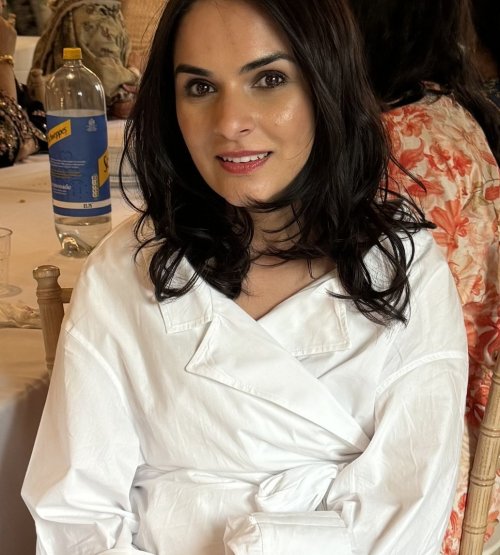
Muslims observing Ramadan are exempt from fasting if, like me, you have a health condition which would be negatively impacted by fasting.
Instead I pay something called ‘Fidya’. This is a payment made to charity by anyone who is exempt from fasting and isn’t able to make up the fasts at a later date.
The money goes to people who need help to cover costs while they are fasting, so that you may still gain the reward of fasting.
Part of me feels a sense of guilt for not fasting
And regret that I didn’t make the most of previous Ramadan’s. But it’s important to remember that fasting isn’t simply about not eating or drinking. It’s also about gratitude, discipline and recharging ourselves with our faith - we can observe this month in many other ways. I do try to make the most of Ramadan in various other ways so I’m still reaping the rewards and working towards a better me.
I hope to be healthy enough to one day fast again, but for now it’s so important to listen to my body and notice the signals it’s giving me. Sometimes I feel strong enough to fast and then realise that actually, this will worsen my symptoms and consequently heighten my anxiety.
I want to educate people about MS
I’m happy to discuss my MS with people and educate them on how my MS plays a role in my life – as it’s kindly decided to take a big one!
We can forget that these drastic turn of events aren’t something we can easily process so talking about it may help us, And can also educate those around us. Some conversations are, of course, more difficult than others. But I’d say don’t be afraid to have the conversation around how your MS may have an impact on participating in fasting during Ramadan for you. Be kind to yourself and don’t forget that nobody can look after you better than you.
If you’ve got MS and you’re thinking of fasting for religious reasons, you might find our factsheet useful.


