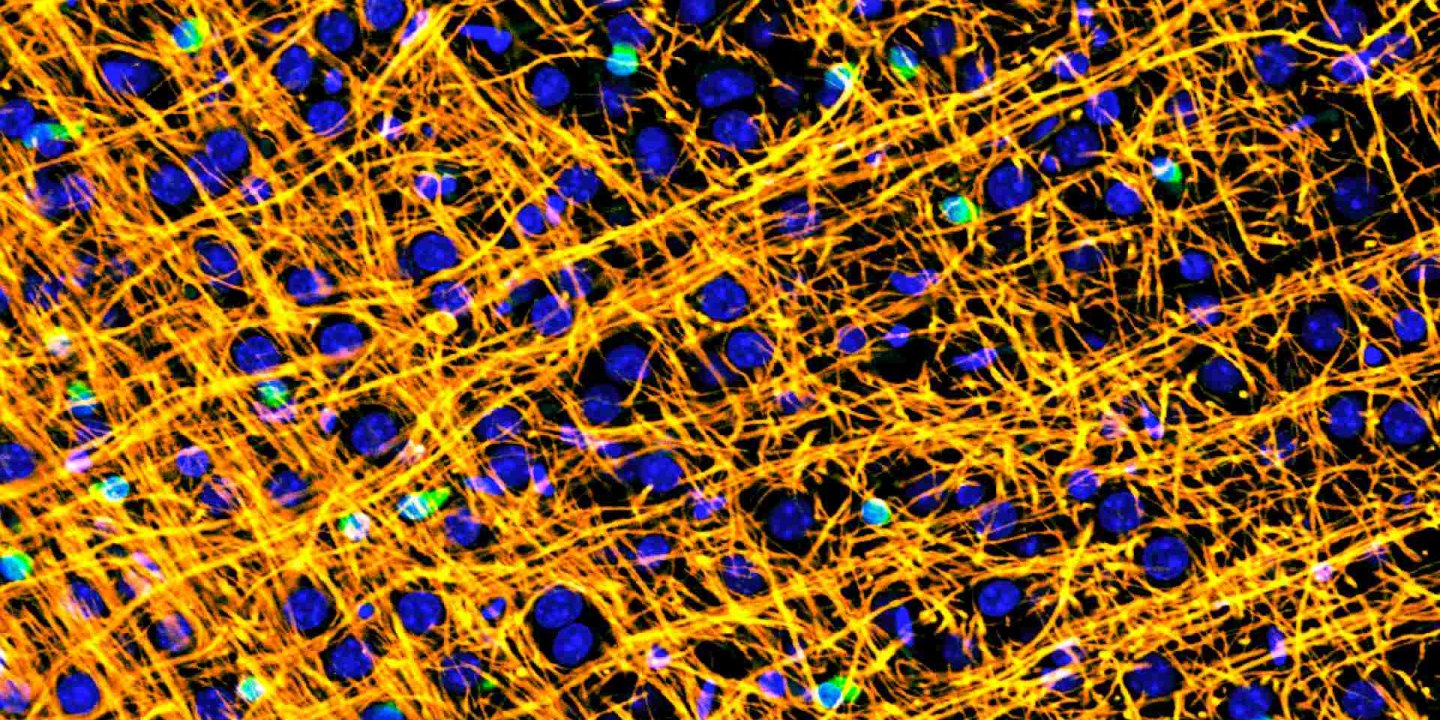
Can a special group of proteins promote myelin repair?
Treatments that repair myelin in the brain and spinal cord could slow or stop MS progression. Although our bodies can naturally repair myelin, there are currently no licensed treatments that can boost this process. To develop such treatments, we need to understand more about how myelin repair happens and how the immune system influences it.
Recent research suggests that specific molecules that sit on the surface of certain immune cells might have a key role in myelin repair. These molecules are called Dectin-1, Dectin-2 and Mincle. Selinda and the team’s recent studies in mice suggest that these three molecules have a role in the myelin repair process in two different ways:
- Tidying up old myelin debris: The ability to clear debris from damaged myelin is important for successful myelin repair.
- Helping to repair myelin. Oligodendrocytes are the cells responsible for repairing myelin. The team’s preliminary data suggests that Dectin-1, Dectin-2 and Mincle help these cells to mature and repair myelin.
About the project
Selinda and the team aim to find out more about the role of these three molecules in myelin repair by:
- Looking at the levels of these molecules in brain and spinal cord lesions of people with MS.
- Investigating how these molecules affect the behaviour of brain immune cells during myelin repair.
- Studying whether these molecules boost myelin repair in mice with an MS-like condition and in brain slice models.
How will it help people with MS?
This work should uncover whether these molecules are promising targets for new treatments that promote myelin repair.
Since drugs targeting these molecules are already in clinical trials for other conditions, it’s possible they could be repurposed for use in MS. The findings from this project will help to determine whether drugs to target these molecules should be tested in future clinical trials for people with MS.
You may be interested in